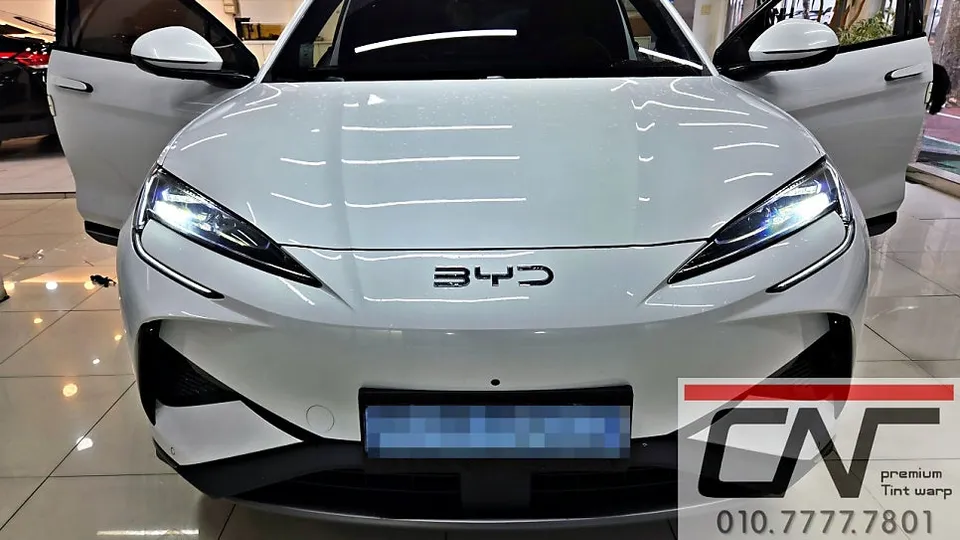
The Complete New Car Delivery Checklist — Section by Section
1. Exterior Paint & Finish Inspection
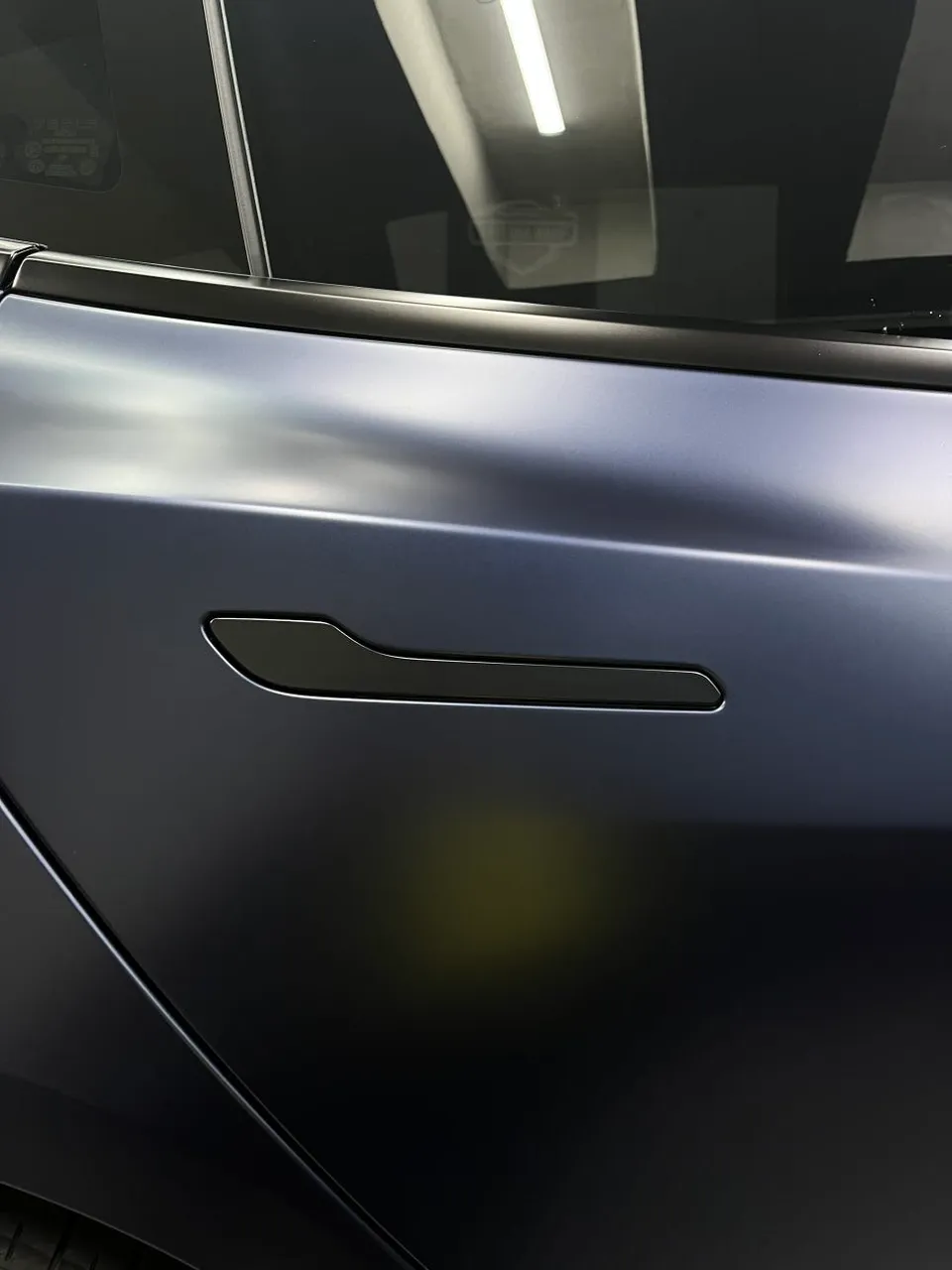
The paint is your vehicle's first line of defense against environmental contaminants, UV damage, and road debris. Before you accept delivery, inspect it thoroughly.
What to check:
- Paint consistency across all panels (use a paint depth gauge if available)
- Orange peel texture or waviness under bright light
- Swirl marks, scratches, or holograms
- Overspray on trim, badges, or rubber seals
- Color matching between factory panels
- Chips or micro-scratches from transport
- Dust or contamination in the clear coat
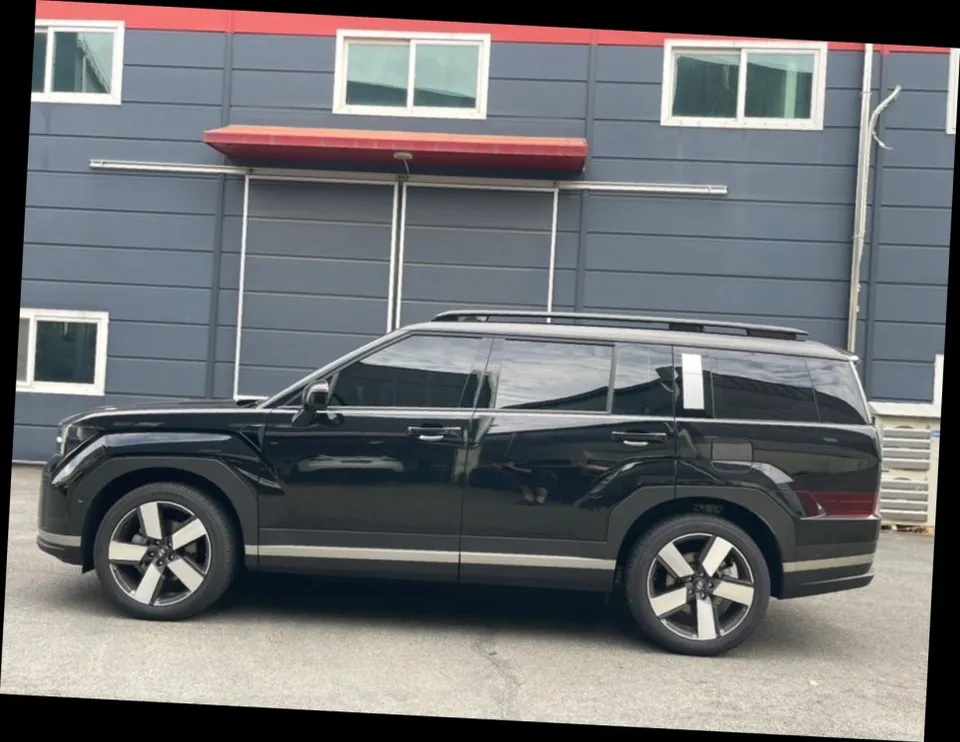
Many factory paints today are relatively thin — especially on vehicles like the 2024 Hyundai Santa Fe and Kia Sorento. If you notice paint defects, document them with photos and request warranty repair before leaving the dealer.
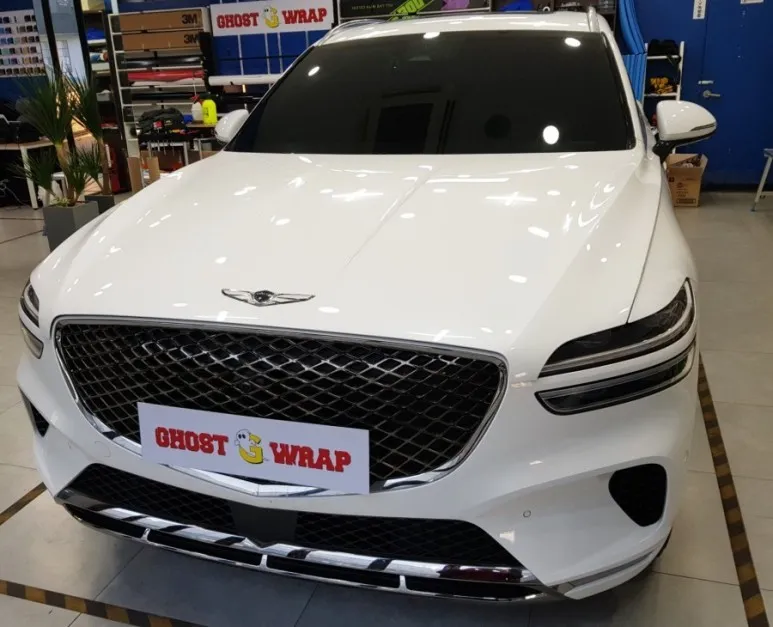
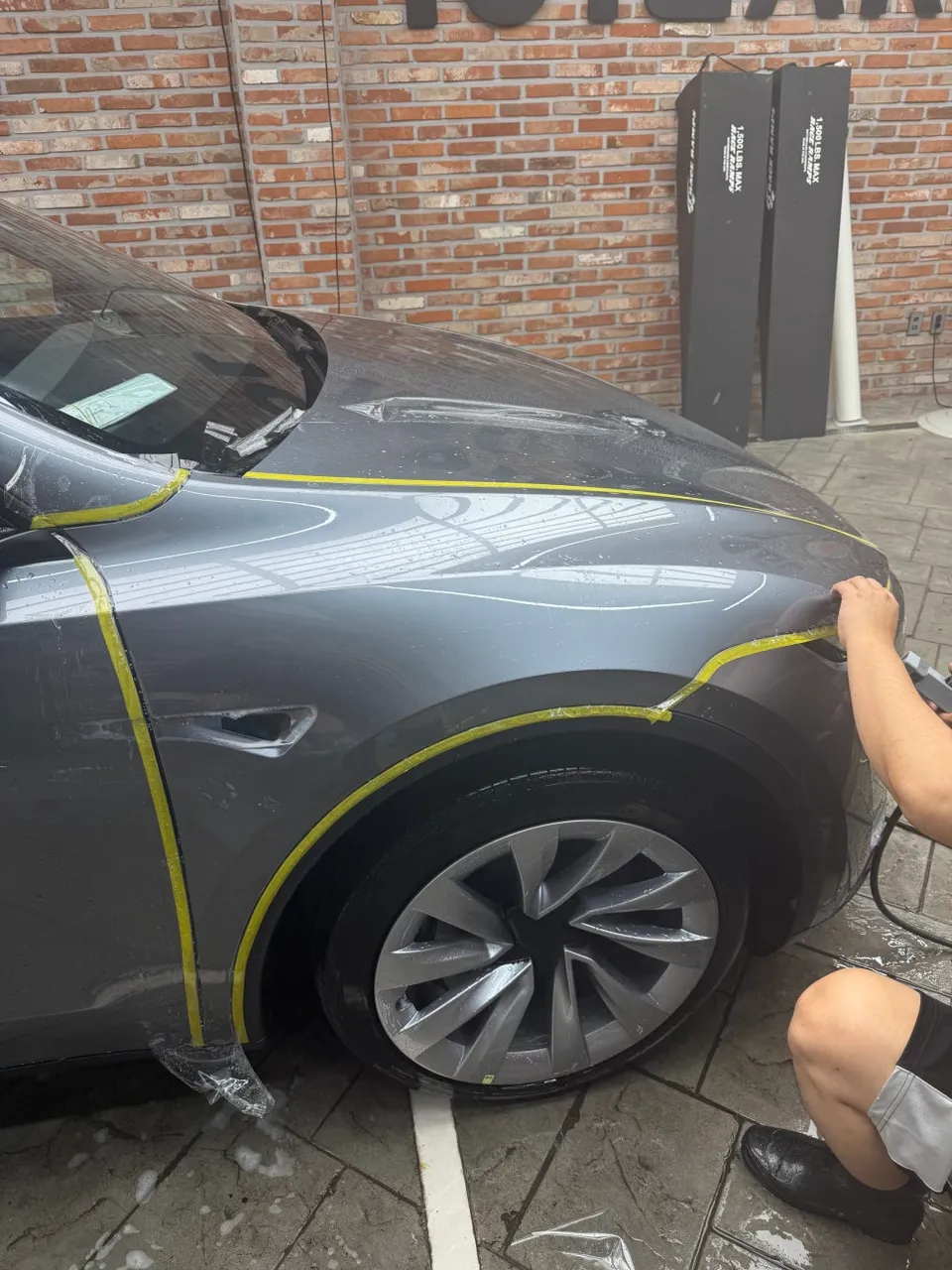
After delivery, consider paint protection film (PPF) or ceramic coating to prevent future damage. These treatments create a sacrificial barrier that protects your factory paint from stone chips, UV fading, and chemical contaminants.
2. Body Panel Alignment & Gaps
Proper panel gaps are a sign of quality manufacturing. Inconsistent gaps can indicate collision damage or poor assembly.
What to check:
- Door, hood, and trunk alignment (should be even on all sides)
- Gap consistency between panels
- Doors open and close smoothly
- No grinding or resistance when opening panels
- Trunk seal and weather stripping intact
- Flush fitment of bumpers and trim pieces
Walk around the vehicle and look at it from different angles. Uneven gaps often indicate the vehicle was involved in an accident before delivery or assembled incorrectly at the factory.
3. Glass & Trim Inspection
Inspect all glass surfaces for cracks, chips, or contamination. This is critical because repairs to windshields or windows can affect structural integrity.
What to check:
- Windshield and all windows for cracks or chips
- Rubber trim seals for cracks or gaps
- Chrome or metallic trim for corrosion or blemishes
- Plastic trim and badges properly adhered
- Sunroof operation (if applicable)
- Window regulators work smoothly
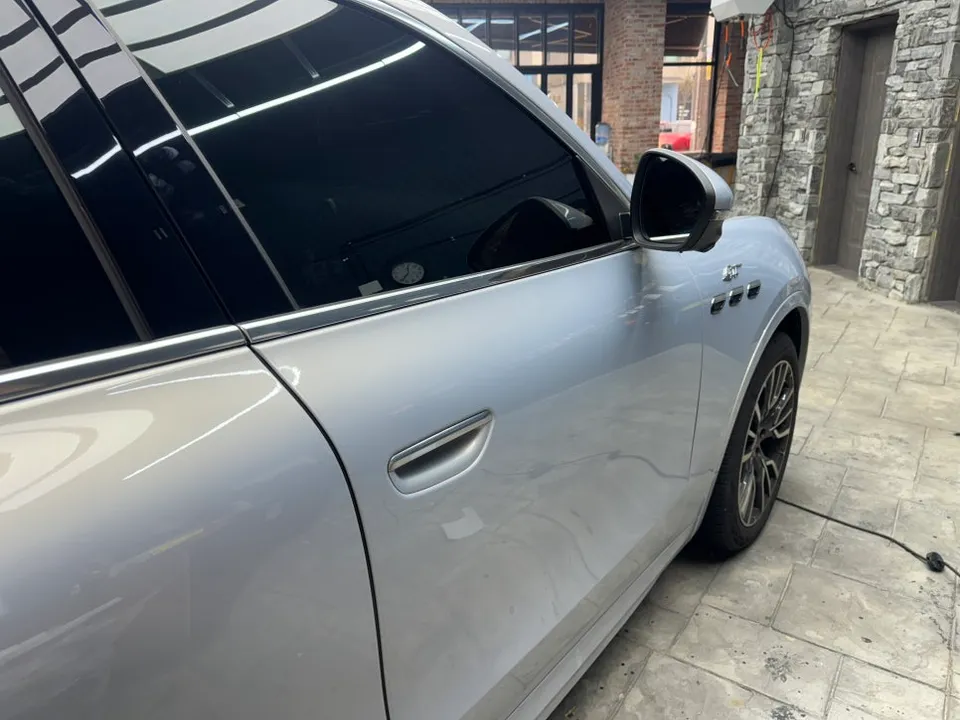
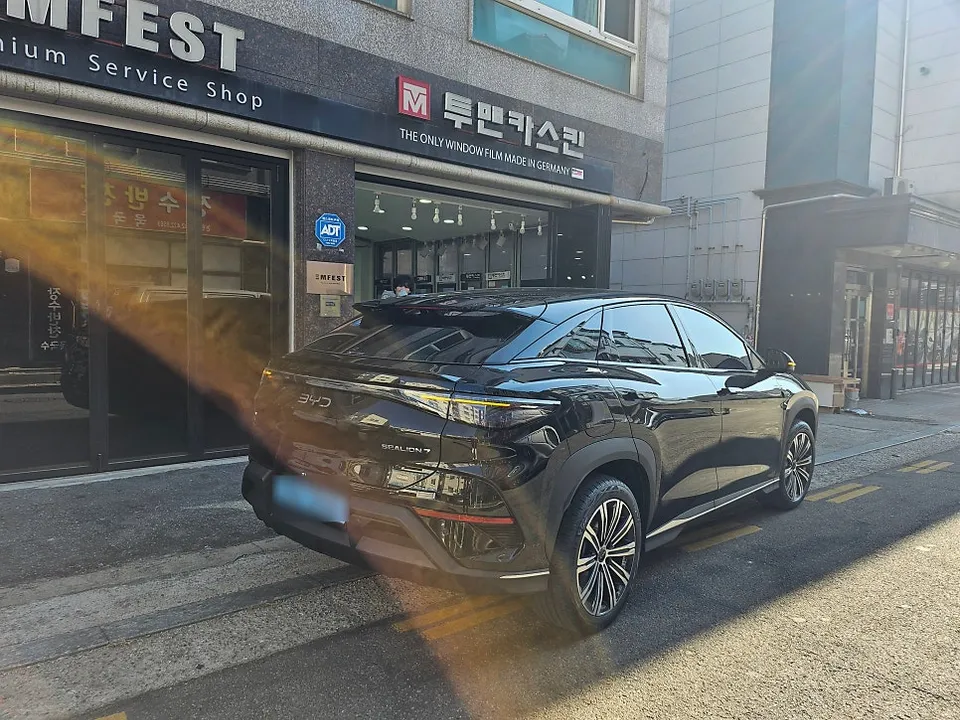
If the vehicle will experience harsh weather or intense sun, consider window tinting after delivery. It reduces UV damage to interior materials, improves privacy, and keeps the cabin cooler.
4. Wheel & Tire Condition
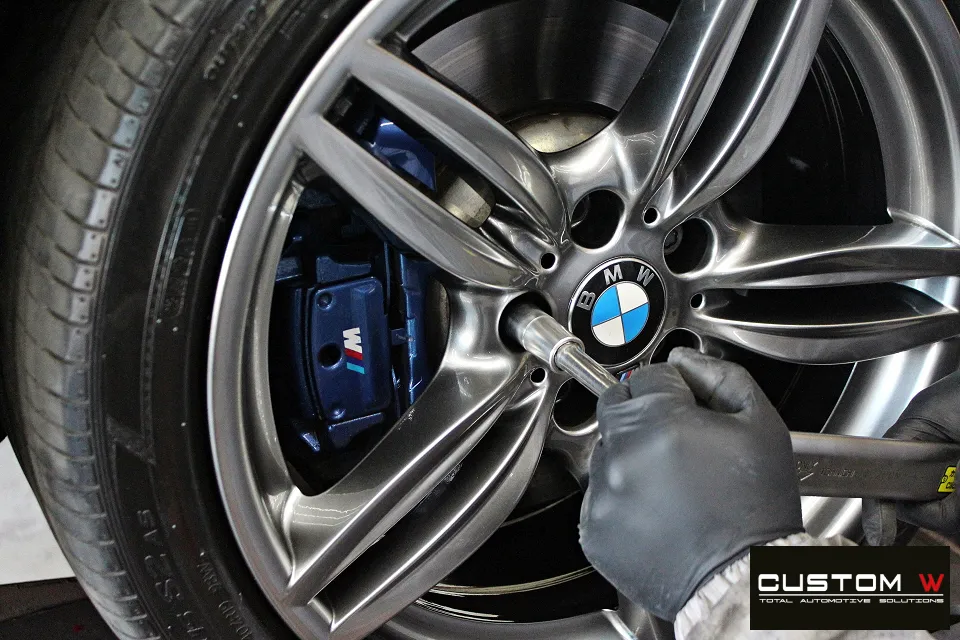
New tires should have no damage, and wheels should be straight and properly balanced. Many OhCar reviews mention wheel damage from transport — this is common.
What to check:
- Tire tread depth (should be near maximum on new vehicles)
- No cuts, cracks, or bulges in tires
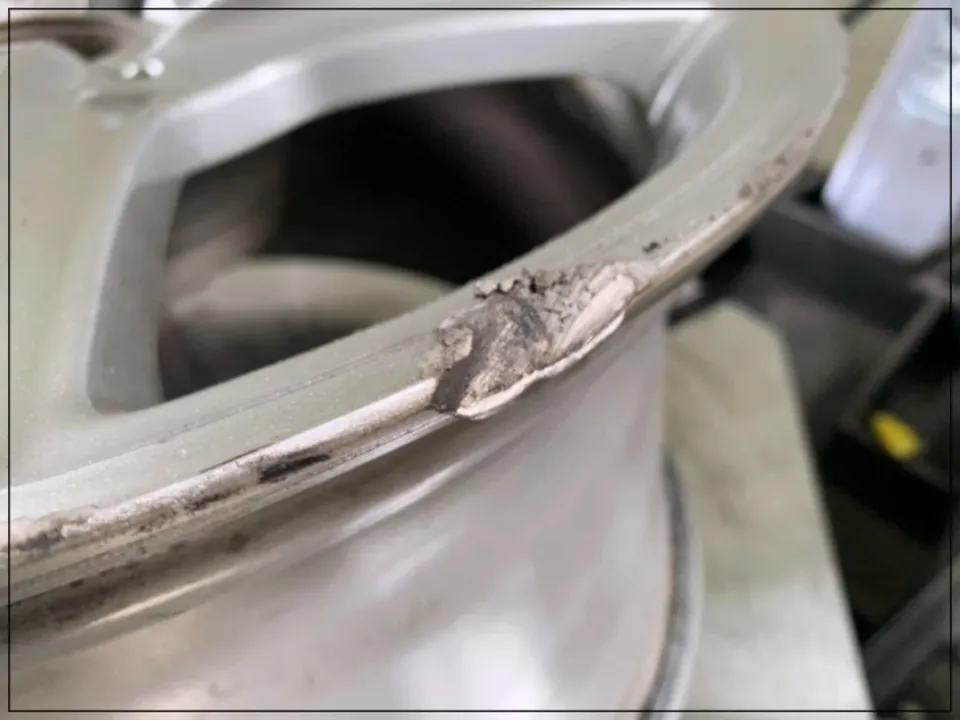
- Wheel damage (bent rims, curb rash, scratches)
- All lug nuts present and properly torqued
- Wheel balance and alignment
- Tire pressure matches manufacturer specifications
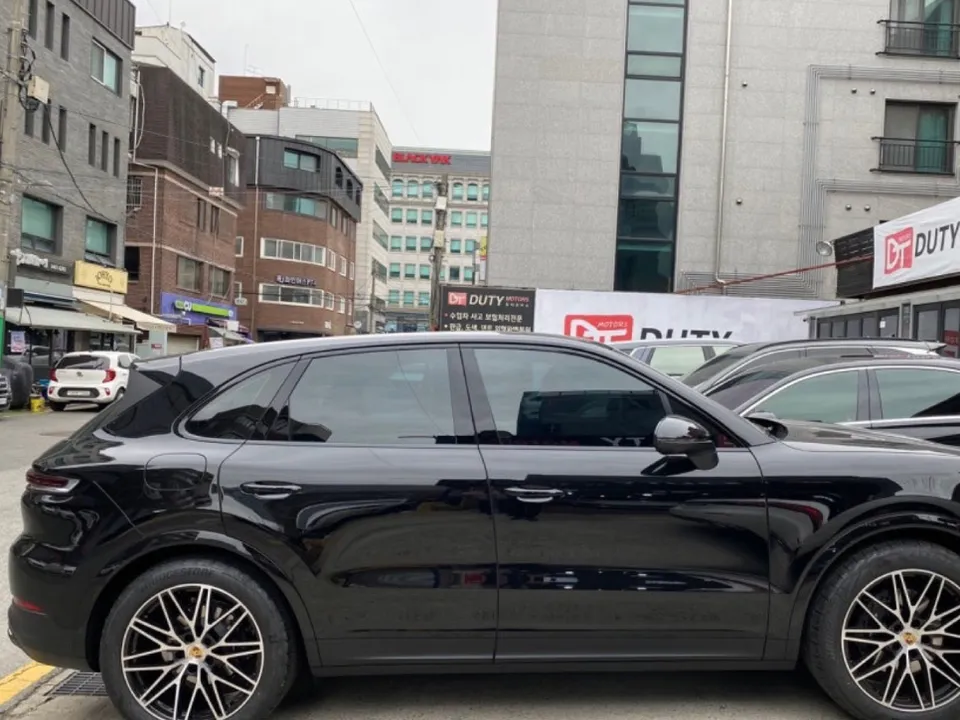
Wheels are often damaged during transport or delivery. If you notice curb rash or bending, request replacement or refinishing before accepting the vehicle. Premium brands like Mercedes-Benz, BMW, and Porsche often have expensive OEM wheels that look less forgiving with damage.
5. Interior Condition & Cleanliness
The interior should be immaculate — free of dust, debris, and damage.
What to check:
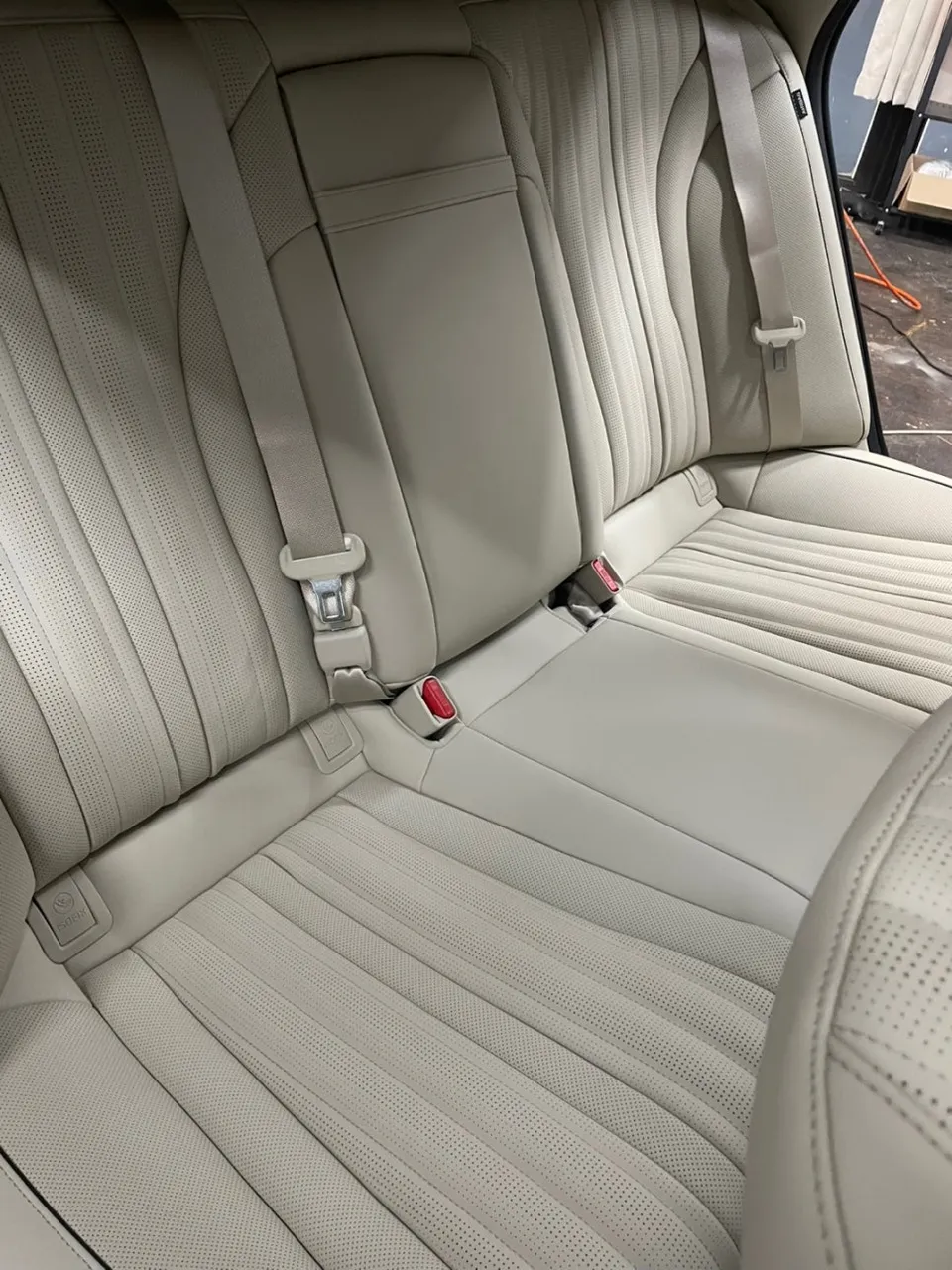
- Seats and upholstery for stains, tears, or damage
- Dashboard for cracks or peeling
- Carpet and floor mats for stains or moisture
- Door panels and trim for scratches or gaps
- All lights functioning (interior, map lights, puddle lights)
- Cabin air quality (no musty or chemical odors)
- Center console and storage compartments in good condition
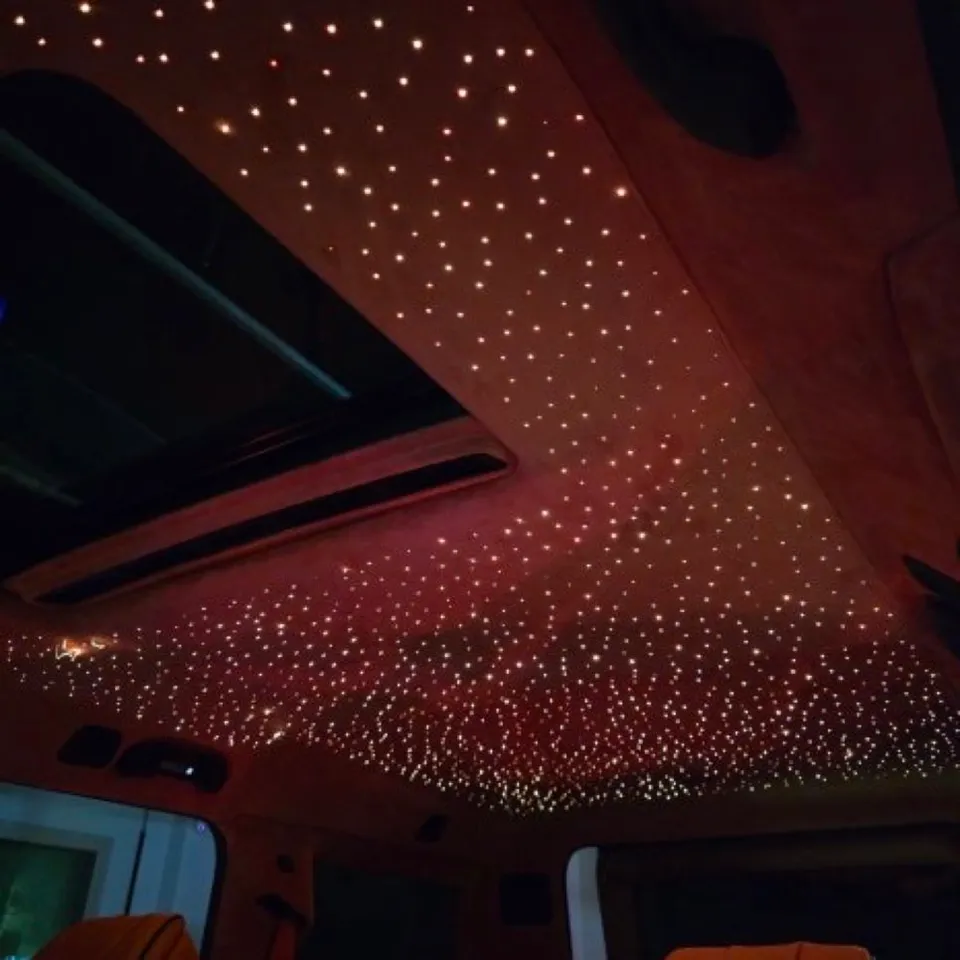
- Headliner and roof liner free of damage
Inspect under the seats and in the trunk for transport debris or moisture. New vehicles sometimes accumulate factory dust and packing materials.
6. Electronics & Technology Systems
Modern vehicles have sophisticated infotainment systems. Make sure everything works.
What to check:
- Infotainment system powers on and responds
- Touchscreen responsive and no dead zones
- Bluetooth connectivity
- Navigation system functionality
- Backup camera and sensors working
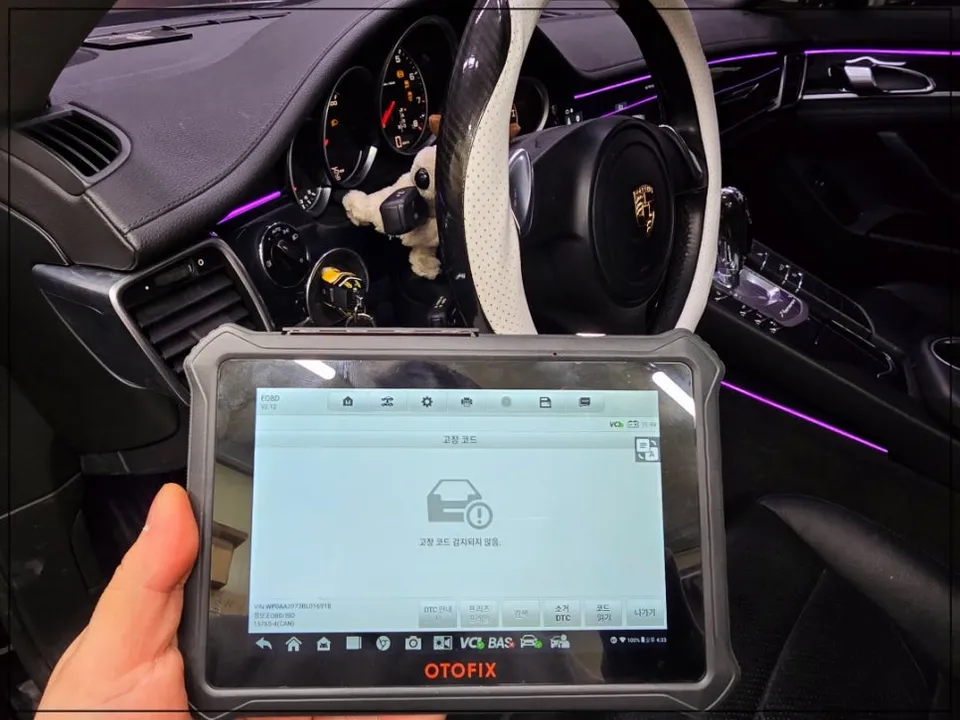
- All warning lights and gauges operational
- Climate control heating and cooling
- Power windows, locks, and mirrors
- Steering wheel controls responsive
- Charging ports (USB, wireless) functional
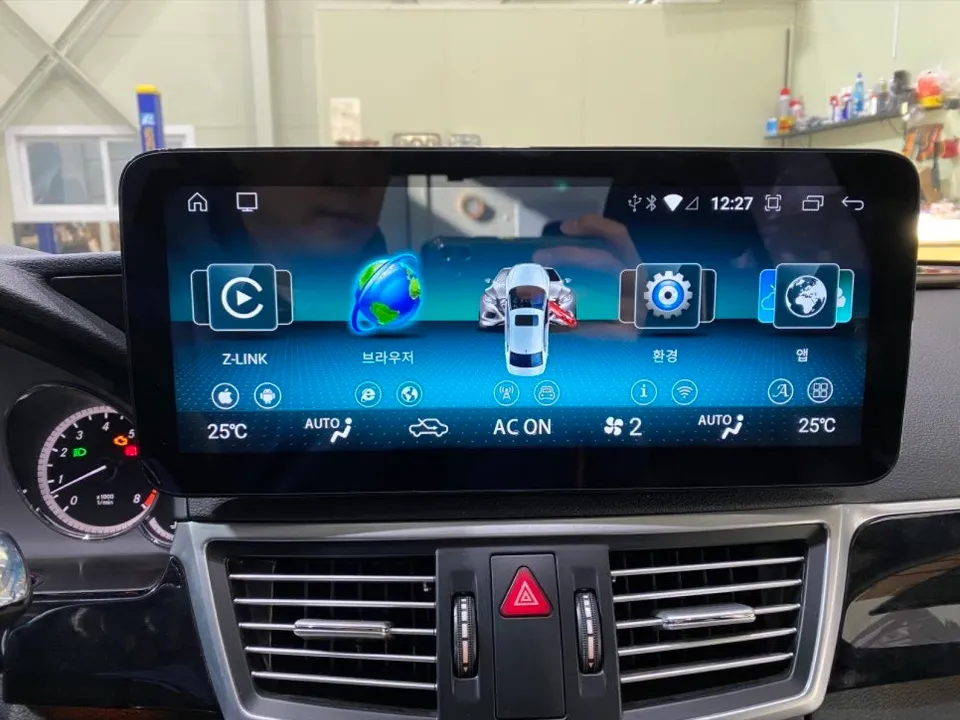
Many modern luxury vehicles like the BMW i7 and Mercedes-Benz CLS have advanced Android integration or proprietary systems. Take time to familiarize yourself and ensure no software glitches are present.
7. Mechanical Systems Test Drive
A short test drive reveals mechanical problems that static inspection won't catch.
What to check:
- Engine starts smoothly with no hesitation
- Transmission shifts smoothly (no clunking or delays)
- Brakes feel responsive (no sponginess or noise)
- Steering is responsive and centered
- Suspension feels smooth (no excessive bouncing)
- No unusual noises under acceleration
- All warning lights clear from dashboard
- Odometer reads only a few miles (typically under 10)
Drive slowly around the dealer lot. Listen for grinding, clicking, or clunking sounds. Test brakes gently. Check that the steering wheel is centered and the vehicle tracks straight.