Car Detailing for Beginners — Complete Guide to Protecting Your Vehicle
Car Detailing for Beginners — Everything You Need to Know
Whether you drive a luxury Mercedes-Benz, a practical Hyundai, or anything in between, keeping your car looking pristine doesn't have to be intimidating. Car detailing tips for beginners start with understanding the basics: washing, protecting, and maintaining your vehicle's appearance. In this guide, we'll walk you through everything a beginner needs to know about detailing your car, from simple DIY techniques to knowing when to call in the professionals. We've analyzed over 50 real owner reviews from vehicles ranging from Kia to Porsche, and we're sharing the insights that matter most.
What Is Car Detailing and Why Does It Matter?
Car detailing goes far beyond a standard car wash. While a regular wash removes surface dirt, detailing is a comprehensive process that cleans, protects, and restores your vehicle's paintwork, interior, and exterior surfaces. Think of it as preventative maintenance for your car's appearance—and ultimately, its resale value.
The difference between a clean car and a detailed car is noticeable. A detailed car has a deeper shine, protected paint, cleaner interiors, and a longer-lasting finish. For beginners, understanding this distinction helps you decide whether to tackle projects yourself or invest in professional services.
According to owner reviews we've analyzed, vehicles like the BMW i7 G70 and Mercedes-Benz CLS benefit enormously from regular detailing and protection services. Owners who invested in professional wheel refinishing and paint protection reported significantly better long-term vehicle condition.

Car Detailing Tips for Beginners: The Essential Toolkit
Before you start any detailing project, you'll need the right tools. Don't worry—you don't need an expensive professional setup to get great results. Here's what every beginner should have:
Basic Detailing Supplies You'll Need
- Two-bucket wash method: One bucket for soapy water, one for rinsing your wash mitt. This prevents dirt from transferring back to your paint.
- pH-balanced car wash soap: Never use dish soap—it strips protective coatings and can damage your paint.
- Microfiber wash mitt: Gentler on paint than sponges or brushes.
- Microfiber drying towels: Quality towels prevent water spots and swirling.
- Detailing spray: For light cleaning between washes.
- Tire cleaner and brush: Tires are often forgotten but make a huge visual difference.
- Glass cleaner: For streak-free windows and mirrors.
- Vacuum with attachments: For interior cleaning.
- Interior detailing brush: Soft-bristled for dashboard and vent cleaning.
Step-by-Step Car Detailing Tips for Beginners: The Exterior
Step 1: The Pre-Wash Rinse
Start with a thorough rinse using a hose or pressure washer (on low pressure). This removes loose dirt and debris that could scratch your paint during washing. Pay special attention to wheel wells and lower sections where dirt accumulates.
Step 2: The Two-Bucket Wash
Fill one bucket with soapy car wash solution and another with clean water. Dip your microfiber mitt in the soapy water, wash a section of your car (typically moving from top to bottom), then rinse the mitt in the clean water before reloading with soap. This prevents you from dragging dirt across your paint.
Pro tip: Wash your car in the shade to prevent water spots from drying too quickly.
Step 3: Dry Thoroughly
Water spots are the enemy of a detailed finish. Use clean microfiber towels to dry your entire vehicle. Start at the top and work downward. If your car has textured surfaces or trim, a chamois cloth can help prevent water from pooling.
Step 4: Clean the Wheels and Tires
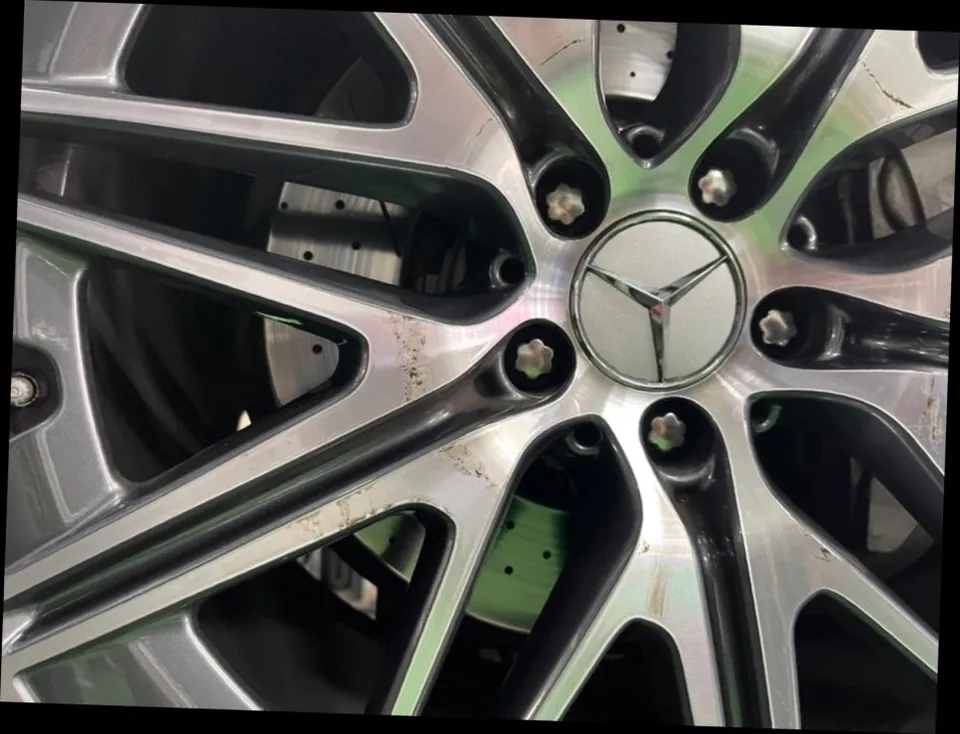
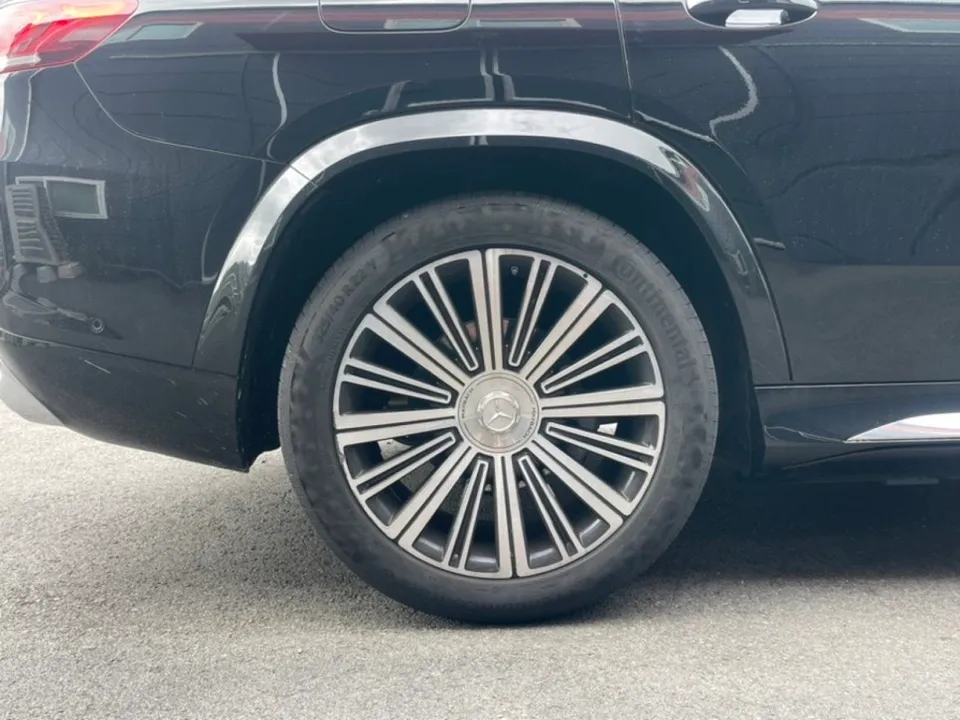
Your wheels deserve attention too. Use a dedicated tire and wheel cleaner and a brush to remove brake dust and grime. Clean wheels make an enormous visual impact—something we noticed consistently in owner reviews of premium vehicles like the Porsche Macan and BMW i7 G70, where wheel refinishing services were frequently mentioned as transformative.
Step 5: Clean Windows and Trim
Finish the exterior by cleaning all glass surfaces and any plastic trim. Use a glass cleaner and newspaper or microfiber cloths for streak-free results.
Interior Detailing: Making Your Cabin Shine
The interior of your car is where you spend your time, so keeping it clean and fresh matters. Here's the beginner's approach:
Vacuuming and Surface Cleaning
Start by removing items from your car, then vacuum all seats, carpets, and floor mats thoroughly. Use crevice attachments to reach between seats and under the dashboard. Move to hard surfaces—vacuum the dashboard, center console, and door panels before wiping them with appropriate cleaners.
Seat and Upholstery Care
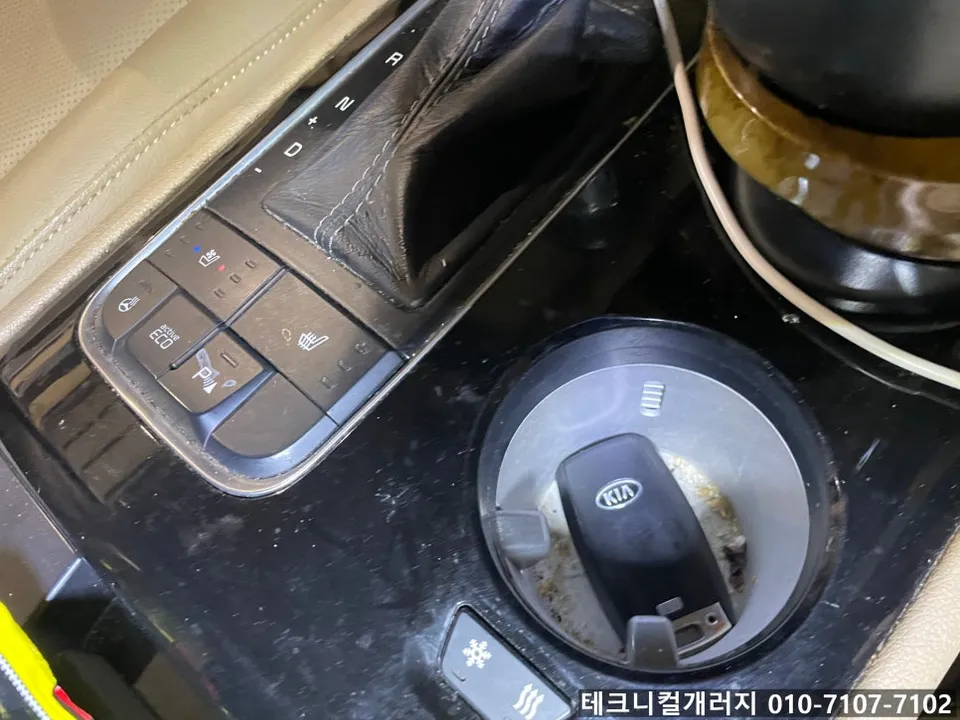
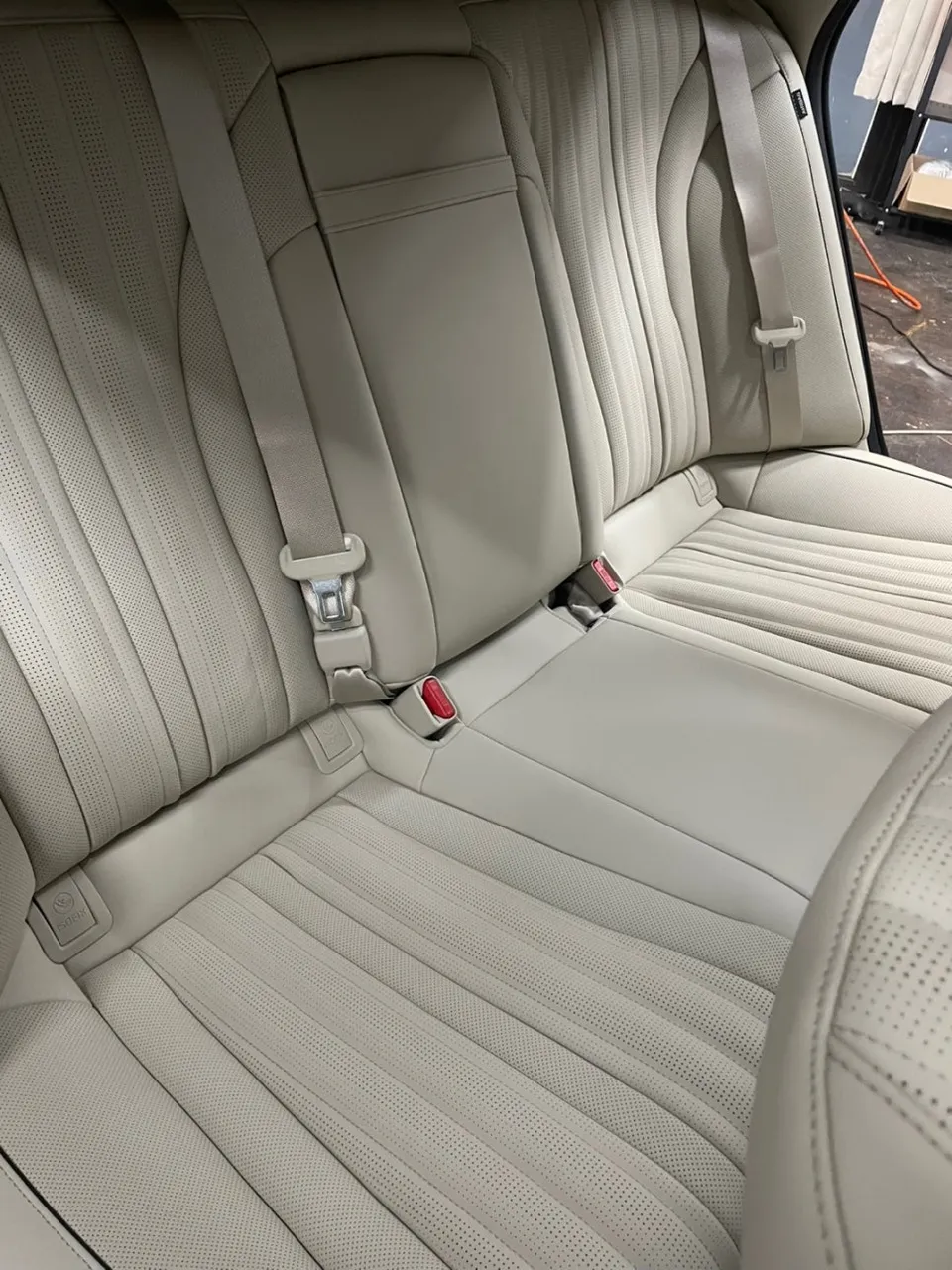
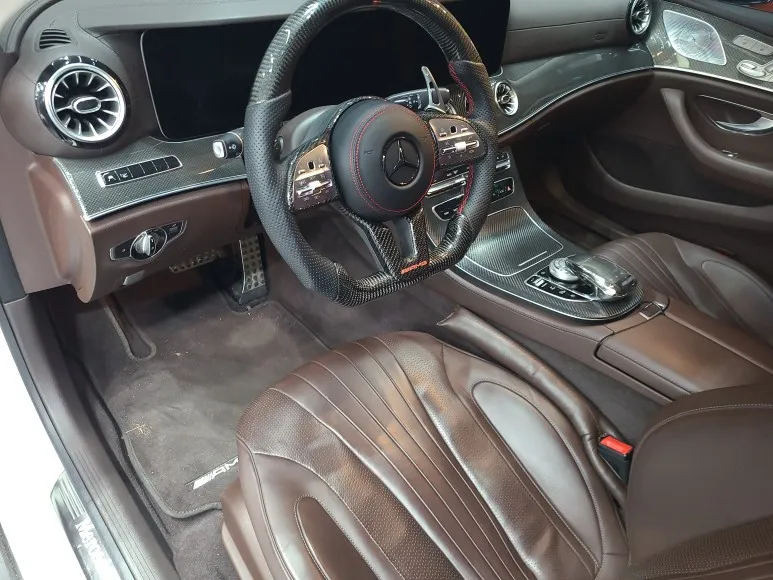
For fabric seats, use a fabric-safe interior cleaner and a soft brush to work product into fibers. For leather, use leather-specific cleaner and conditioner. Many modern vehicles like the 2024 Kia Sorento feature premium ambient lighting and premium interiors that really benefit from regular detailed cleaning.
Air Vents and Tight Spaces
Use a small detailing brush to clean air vents, cup holders, and other tight spaces. These areas collect dust quickly and impact your cabin's freshness.
Paint Protection: Beyond the Wash
Once your car is clean, protecting that finish is crucial. As a beginner, you have several options ranging from simple to more advanced:
Wax vs. Sealant vs. Ceramic Coating
| Protection Type | Duration | Ease of Application | Cost | Best For |
|---|---|---|---|---|
| Carnauba Wax | 3-6 months | Easy (DIY-friendly) | Low | Beginners wanting natural shine |
| Paint Sealant | 6-12 months | Moderate | Medium | Durability and easier reapplication |
| Ceramic Coating | 2-5 years | Professional recommended | High | Long-term protection and hydrophobic finish |
| Paint Protection Film (PPF) | 5-10 years | Professional only | High | High-impact areas; stone chip protection |
For beginners, starting with a quality carnauba wax is perfectly reasonable. It's forgiving, affordable, and gives you practice before moving to professional-grade protection like ceramic coating or paint protection film (PPF).
How to Apply Wax (DIY Method)
Use an applicator pad to apply wax in small circular motions, working in sections. Let it haze (typically 15-20 minutes), then buff with a microfiber towel. The result is a noticeably shinier, more protected finish.
When to Seek Professional Detailing Services
While many detailing tasks are DIY-friendly, some situations call for professionals:
Professional Services Worth Considering
- Ceramic Coating Application: Requires proper surface preparation and controlled conditions. Our review database shows owners of luxury vehicles consistently choosing professionals for this service.
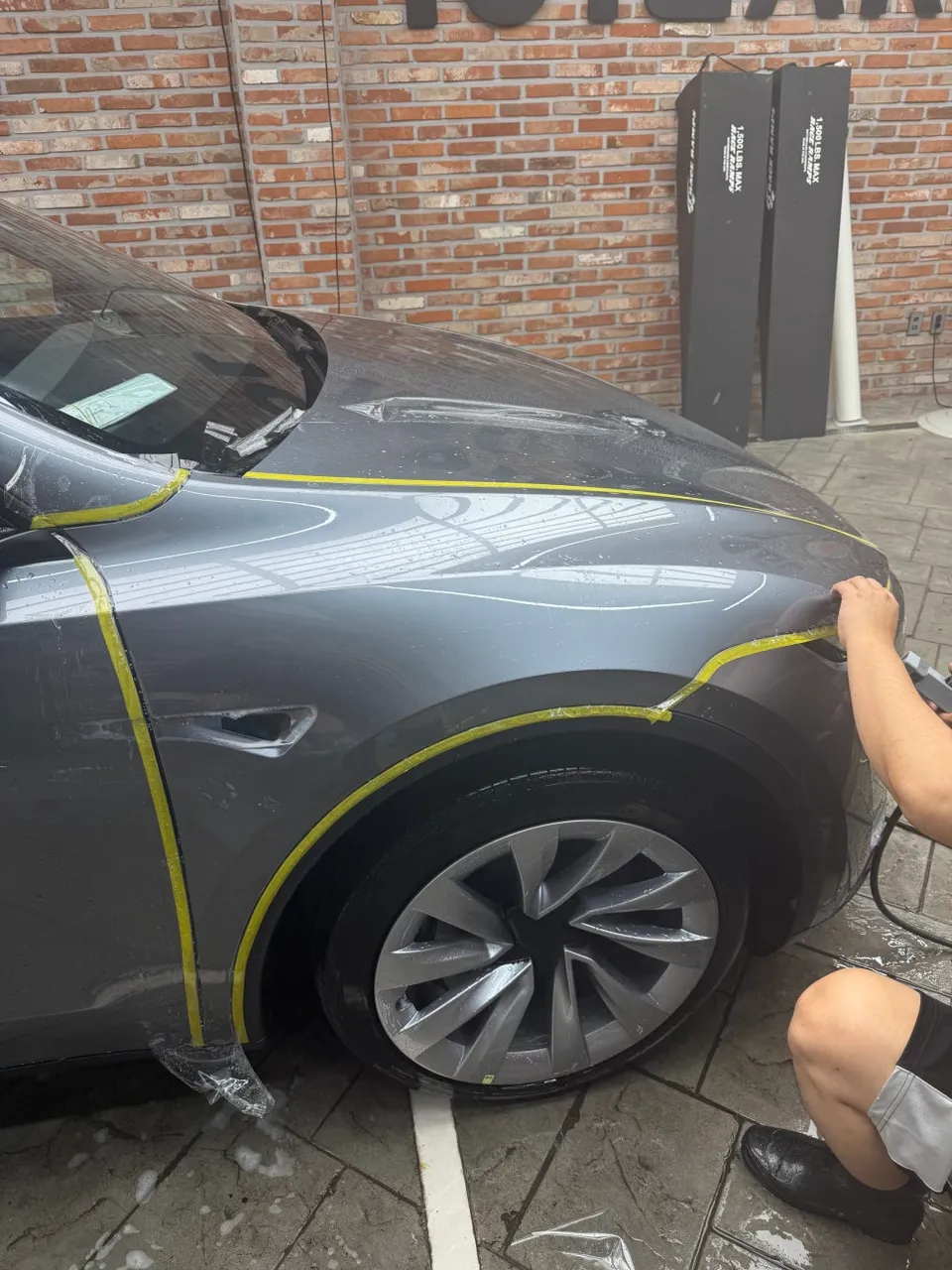
- Paint Protection Film (PPF): Protective film application demands precision. Improper installation creates visible edges and bubbles.
- Paint Correction: Swirl marks, scratches, and oxidation require polishing equipment and expertise beyond beginner tools.
- Wheel Refinishing: Damaged or curbed wheels benefit from professional restoration. We analyzed reviews of wheel refinishing on everything from the Hyundai Santa Fe MX5 to the Mercedes-Benz CLS, and professional results were consistently superior.
- Interior Stain Removal: Tough interior stains often need professional-grade cleaners and equipment.
- Window Tinting: While tinting protects your interior and increases privacy, professional installation ensures proper fit and longevity.
Common Beginner Detailing Mistakes to Avoid
Learning what not to do is just as important as learning proper technique:
Mistake #1: Using the Wrong Wash Products
Never use dish soap, all-purpose cleaners, or household products on your car. These strip protective coatings and can damage paint. Always use pH-balanced car wash soap.
Mistake #2: Washing in Direct Sunlight
Water and cleaning solution dry too quickly in direct sun, leaving streaks and water spots. Always wash in shade or overcast conditions.
Mistake #3: Insufficient Drying
Water spots form when water air-dries on your paint. Always dry completely with microfiber towels—it's one of the most visible differences between an okay wash and a detailed finish.
Mistake #4: Neglecting Interior Maintenance
Many beginners focus only on exterior shine and ignore interior care. Dirt, dust, and stains inside devalue your vehicle and create an unpleasant environment.
Mistake #5: Skipping Protection
Washing without protection is like taking one step forward and two steps back. A clean, unprotected finish deteriorates quickly. Always apply some level of protection—wax, sealant, or professional coating.
Mistake #6: Using Regular Towels Instead of Microfiber
Regular cotton towels cause swirl marks and scratches. Microfiber is essential for a scratch-free finish. It's a small investment that makes a huge difference.

Detailing Schedule for Beginners: How Often Should You Detail?
Consistency matters more than intensity when it comes to car care. Here's a realistic schedule:
Monthly
- Vacuum interior
- Wash exterior (or every 2 weeks in harsh conditions)
- Clean windows
Quarterly
- Deep interior cleaning
- Tire and wheel cleaning
- Interior conditioner application (leather/vinyl)
Semi-Annually
- Apply wax or sealant
- Detailed interior vacuuming and upholstery treatment
- Paint inspection
Annually
- Professional inspection for paint damage
- Consider professional detailing or ceramic coating refresh
- Assess protection film condition (if applicable)
This schedule keeps your car looking great without being overwhelming. Adjust based on climate (harsh winters require more frequent attention) and your vehicle's usage.
Protecting Your Investment: Beyond Basic Detailing
Once you're comfortable with basic detailing, understanding professional protection services helps you make smarter long-term choices:
Paint Protection Film (PPF)
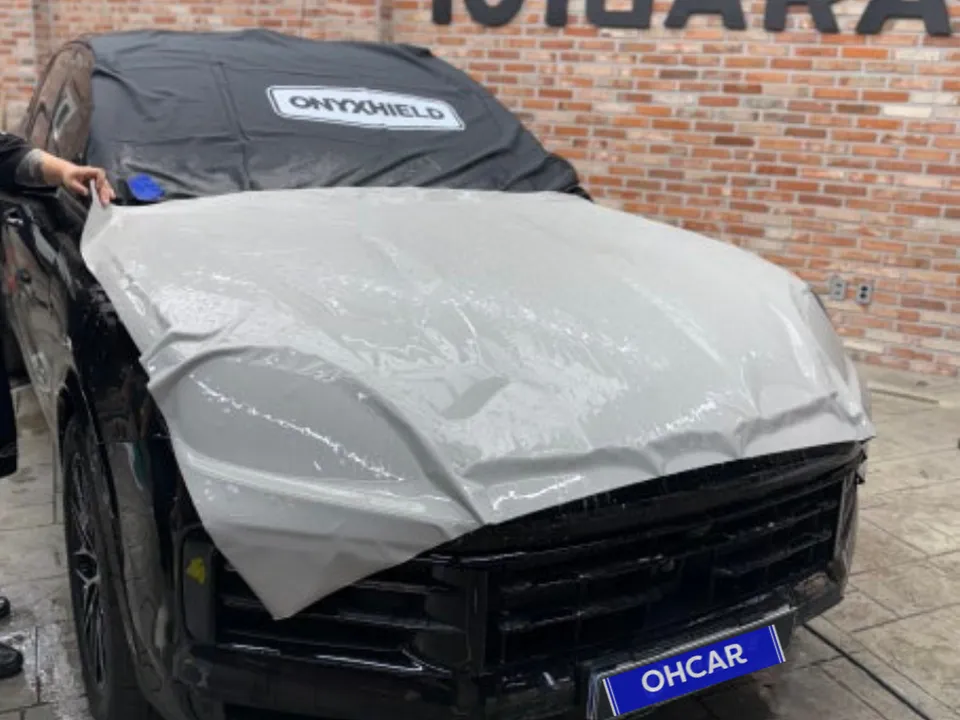
PPF is a clear, self-healing film applied to high-impact areas like the front bumper, hood, and door handles. It protects against stone chips, scratches, and environmental damage. While more expensive upfront, it prevents costly paint repairs. Many luxury vehicle owners—including those with BMWs and Mercedes-Benz models—invest in PPF as insurance for their paint.
Ceramic Coating
Ceramic coating creates a hard, hydrophobic layer on your paint that lasts 2-5 years. It makes water bead off, resists UV damage, and keeps your car looking glossy with minimal effort. Once applied, your detailing routine becomes even simpler—you're maintaining an already-protected surface.
Window Tinting
Window tinting protects your interior from UV rays, reduces heat buildup, and increases privacy. Professional application ensures proper fit and legal compliance. It's not just aesthetics—it's a practical protection measure that keeps your interior in better condition longer.
The Bottom Line on Car Detailing for Beginners
Car detailing doesn't have to be complicated or expensive. Start with the basics: proper washing technique, quality tools, regular maintenance, and appropriate protection. As you gain confidence and your car's condition improves, you'll better understand when to DIY and when to seek professional services.
The vehicles we've reviewed—from practical Hyundais to luxury Porsches—all share one thing in common: owners who detail regularly maintain their vehicles better and experience higher satisfaction. Your car is likely one of your biggest investments. Treating it with proper care isn't just about aesthetics; it's about preserving value, extending lifespan, and enjoying driving a vehicle you're proud of.
Professional Detailing Services on OhCar
Looking for professional paint protection film (PPF), ceramic coating, window tinting, or expert wheel refinishing? Compare verified shops and real owner reviews on OhCar. Our platform features detailed reviews from actual customers who've invested in these services on their Kias, BMWs, Porsches, Hyundais, Mercedes-Benz vehicles, and more. Find trusted professionals in your area, read honest feedback about their work, and make informed decisions about protecting your vehicle's finish. Whether you're ready to explore ceramic coating for long-lasting shine or PPF for maximum protection, OhCar connects you with shops that deliver results.
FAQ: Car Detailing Tips for Beginners
Comments (3)
Just wrapped my F-150 with XPEL Ultimate last year and man, best decision I made — keeps all the Texas dust and rock chips off the paint while she still looks showroom fresh. Even doing monthly washes myself, the PPF makes maintenance so much easier since dirt doesn't bond to it like bare clear coat.
Wrapped my 2019 Civic in matte black from a local LA shop last year and honestly, it saved me thousands on paint protection — way easier to maintain than ceramic coat alone. Now I just hand wash it monthly and the wrap keeps everything pristine underneath, definitely recommend before you go full detail route.
I've tried PPF on my 2019 BMW and just did ceramic coating on my wife's new Outback with Gyeon Bathe — honestly the ceramic is the better value for most people, especially if you're not dealing with harsh track conditions. Way easier maintenance than I expected, just wash and occasionally top coat it.

Explore Related Services on OhCar