PPF vs Ceramic Coating — Which Protection Method Is Best for Your Car?
When it comes to protecting your car's paint, two methods dominate the conversation: PPF vs ceramic coating. Both have loyal advocates, but they work in fundamentally different ways. Understanding the differences—and which one suits your driving habits and budget—can save you thousands in paint repairs down the line.
Based on 50 owner reviews analyzed on OhCar, we've seen firsthand how these protection methods perform on luxury vehicles from Mercedes-Benz, BMW, Porsche, Hyundai, and Kia. This guide breaks down everything you need to know to make an informed decision.
PPF vs Ceramic Coating: The Core Difference
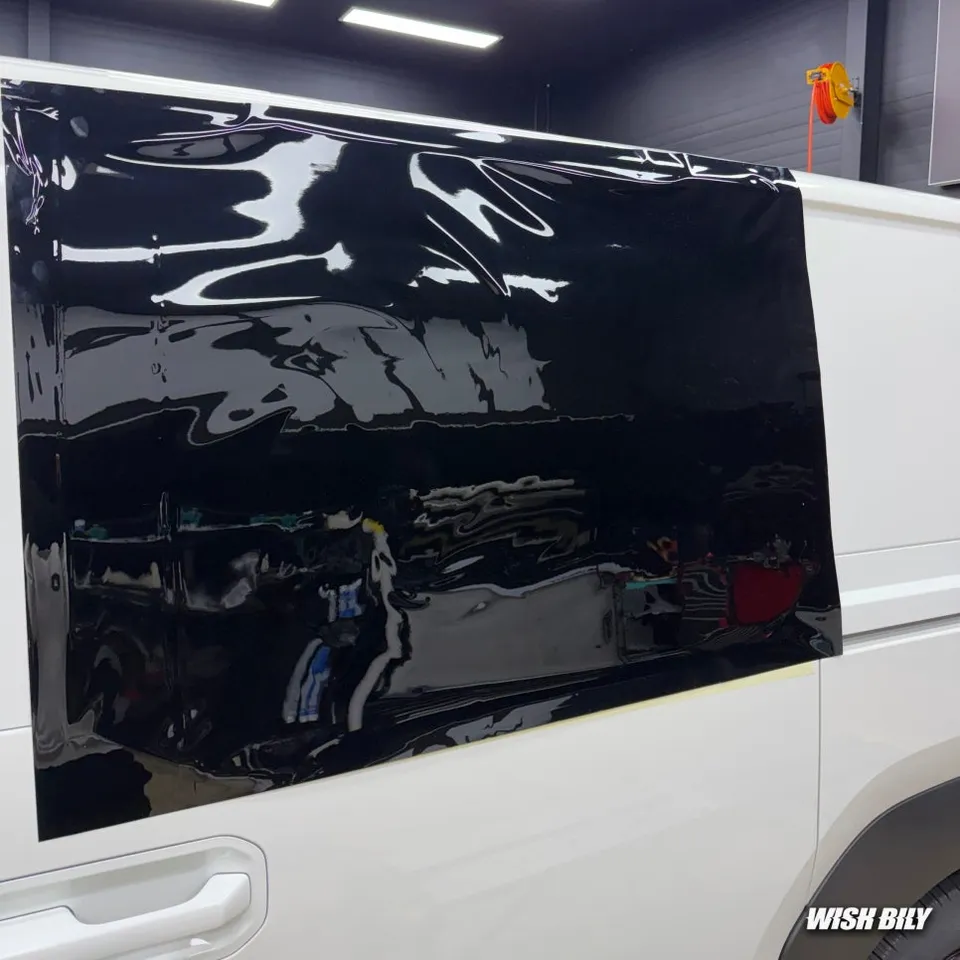
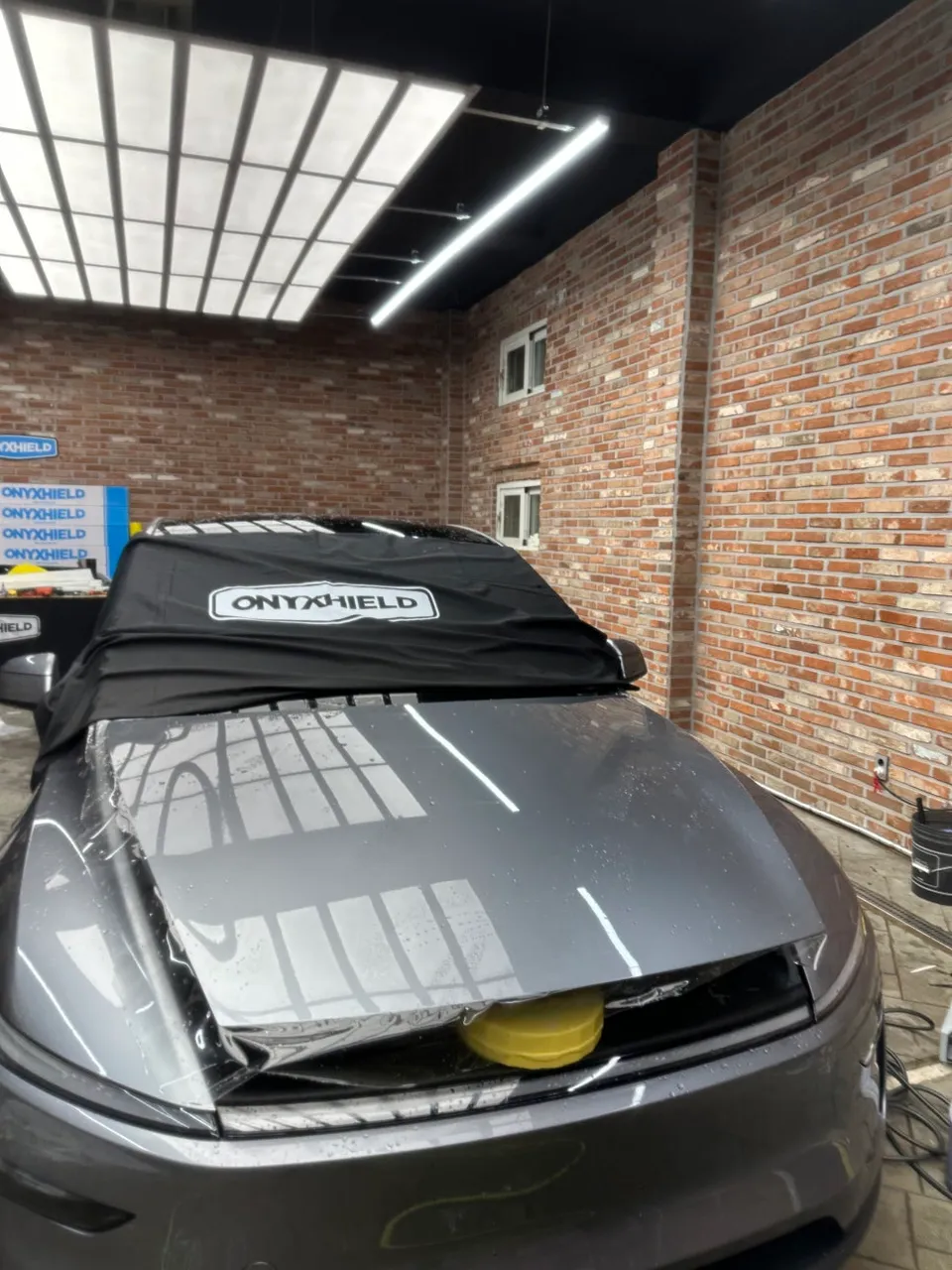
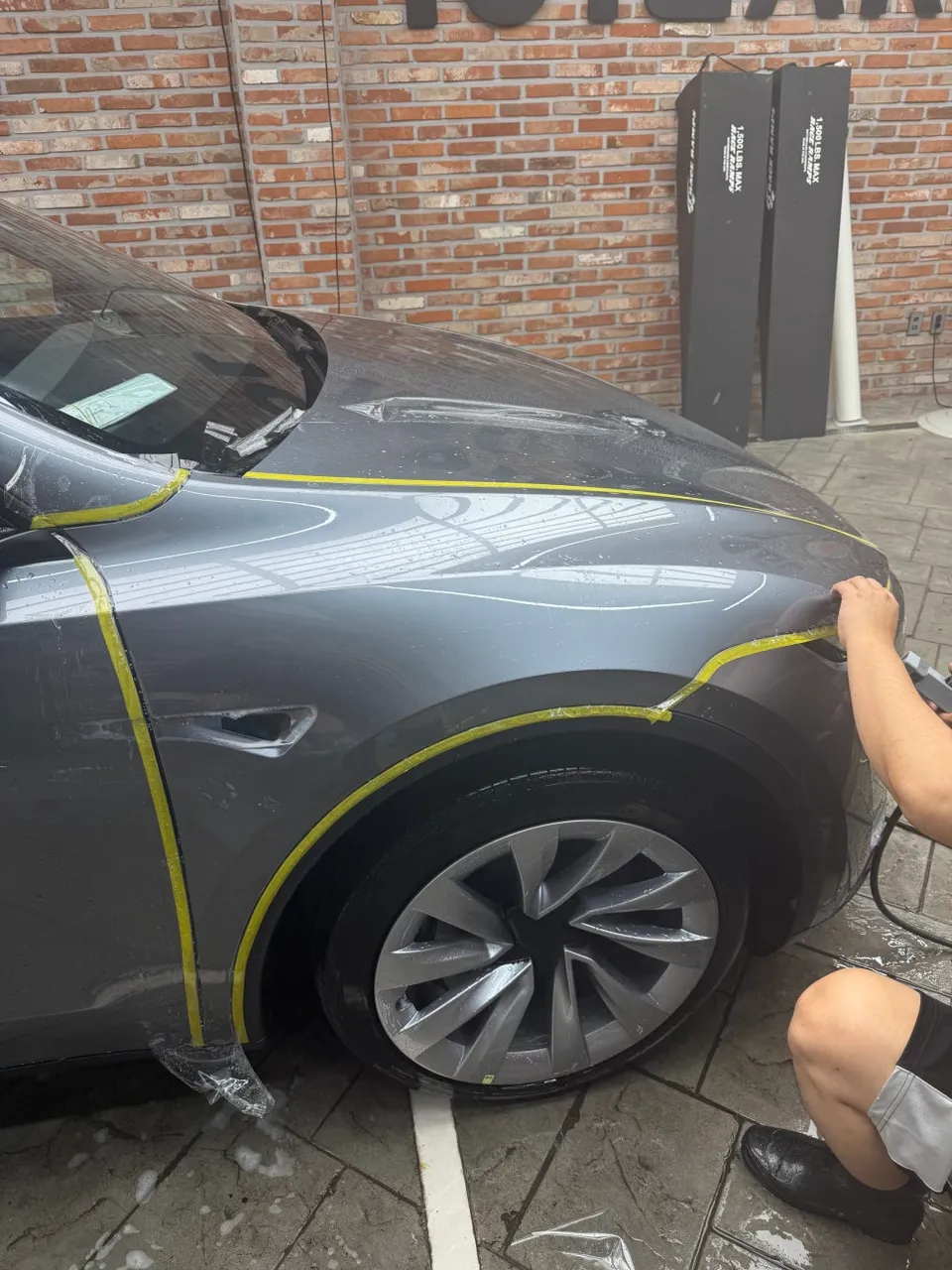
Let's start with the basics. Paint Protection Film (PPF) is a physical barrier—a thin, transparent urethane film applied directly to your car's paint. Ceramic coating is a liquid nanotechnology product that hardens into a protective glass-like layer on top of the paint.
Think of PPF like body armor and ceramic coating like an invisible shield. One is tactile and replaceable; the other is microscopic and semi-permanent. Both protect, but in different ways and against different threats.
What Is PPF (Paint Protection Film)?
PPF is made from polyurethane—the same material used in military armor and aerospace applications. It's typically 8-10 mils thick (about the width of a credit card), though some premium options reach 12 mils. When professionally installed, it's nearly invisible to the naked eye.
PPF excels at:
- Protecting against rock chips and road debris
- Preventing swirl marks from improper washing
- Shielding from minor scratches and scuffs
- Resisting yellowing (modern formulations)
- Self-healing minor damage (some premium films)
What Is Ceramic Coating?
Ceramic coating is a liquid polymer solution containing silicon dioxide (SiO2) or similar nanoparticles. When applied and cured, it creates a hydrophobic, semi-permanent layer that bonds to the clear coat.
Ceramic coating excels at:
- Creating hydrophobic (water-repelling) surfaces
- Enhancing paint gloss and depth
- Resisting UV damage and oxidation
- Making cleaning easier (easier to wash off contaminants)
- Providing chemical resistance (bird droppings, tree sap)