Porsche Cayenne Seat Climate Upgrade Review
Service Price
$40–80
Estimated price · Actual price may vary by shop
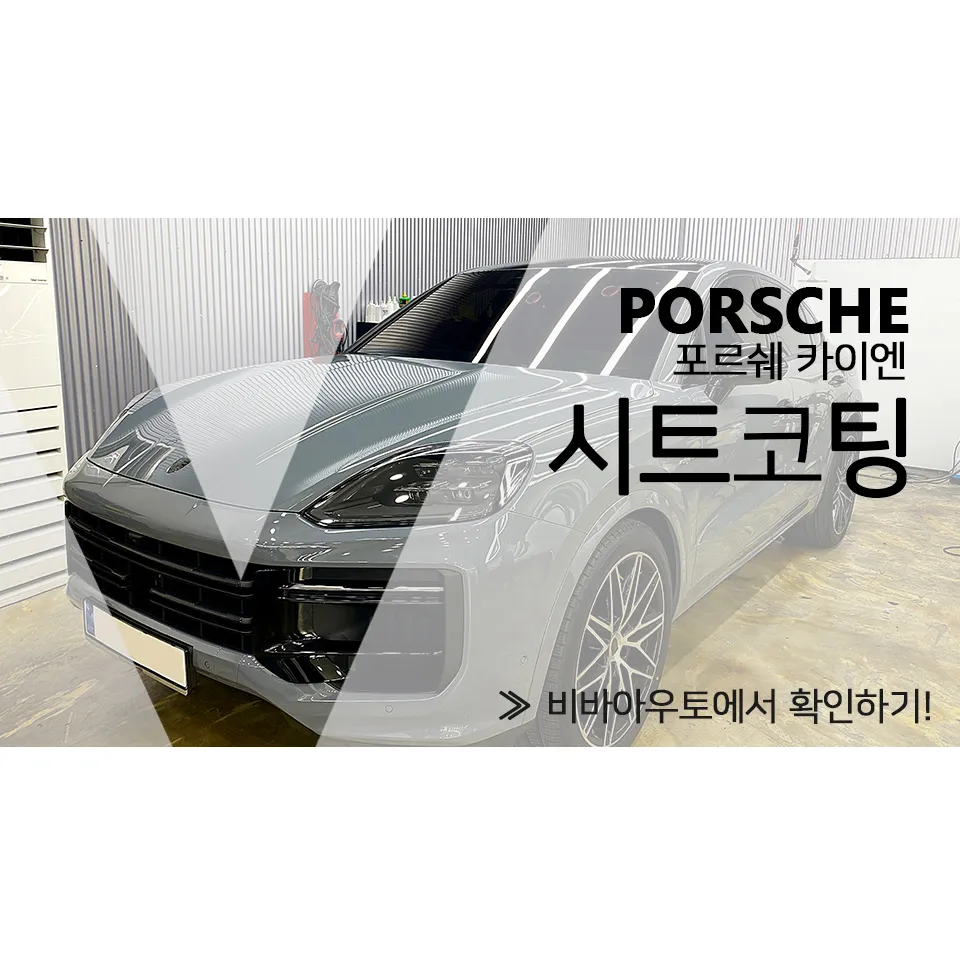
Porsche Cayenne seat climate upgrade: $400-$1500+. Enjoy enhanced comfort with ventilated and heated seats.
Enhancing Your Porsche Cayenne's Comfort with Seat Climate Control
For Porsche Cayenne owners who prioritize comfort and luxury, upgrading your vehicle's seating with advanced climate control features like ventilation and heating can be a game-changer. While many high-end vehicles come equipped with these amenities, aftermarket installations offer a way to retrofit or enhance existing systems. This review delves into the specifics of seat ventilation and heating upgrades for the Porsche Cayenne, covering what to expect regarding installation, cost, durability, and overall value.
Understanding Seat Ventilation & Heating Retrofits
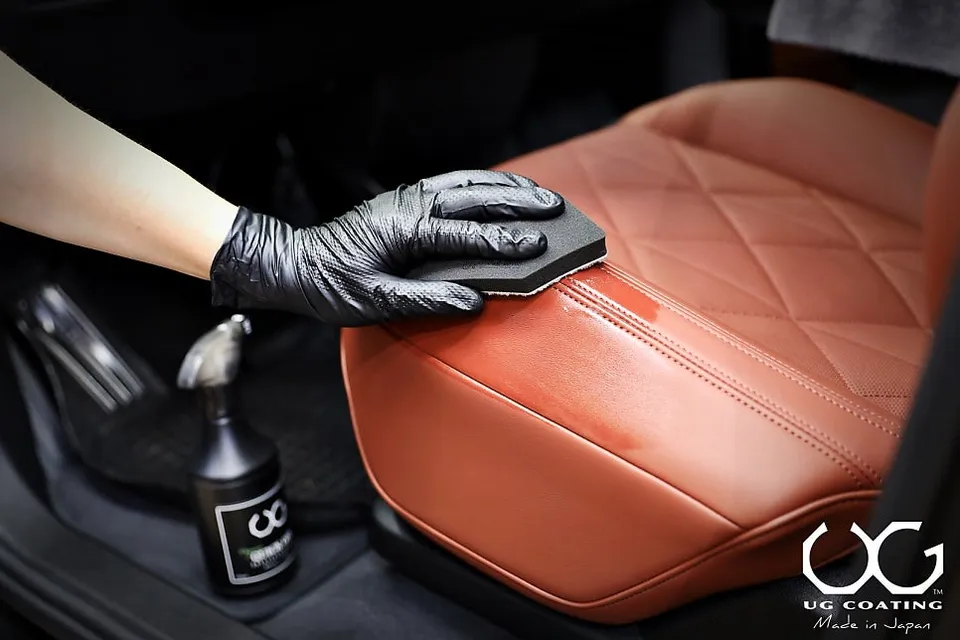
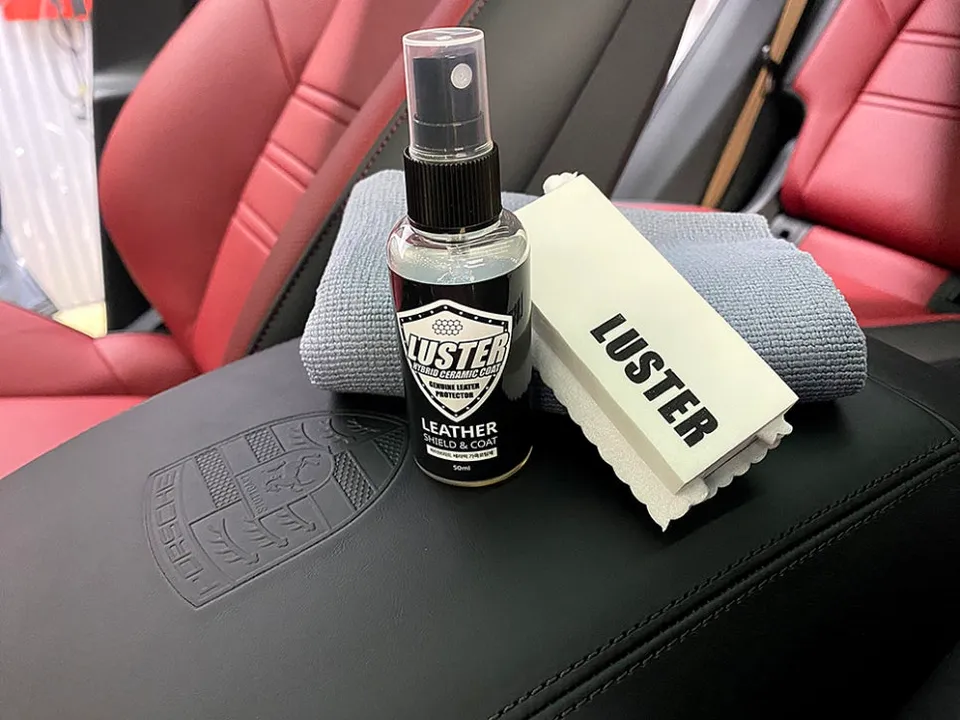
Seat ventilation and heating systems are designed to provide personalized comfort regardless of the external temperature. Heated seats use resistive heating elements embedded within the seat upholstery to generate warmth, while ventilated seats employ small fans to circulate air, either drawing heat away from the occupant or blowing cooler air through the seat. For a premium vehicle like the Porsche Cayenne, these features significantly enhance the driving experience, especially during extreme weather conditions. The original Korean context for this type of service focused on leather seat coating to prevent staining and wear, highlighting the importance of protecting high-quality interior materials. While not a direct translation, the principle of enhancing and protecting the vehicle's interior, including its seating, remains relevant. A seat climate upgrade aims to add a layer of comfort and luxury, complementing the Cayenne's already sophisticated interior.
Installation Process and Considerations
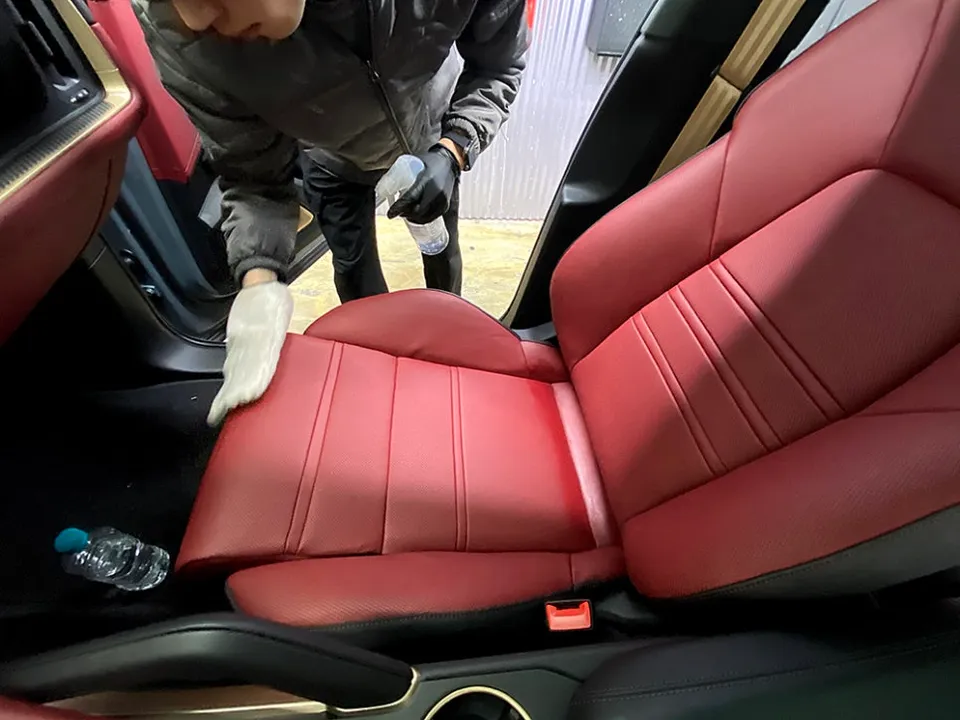
Installing seat ventilation and heating systems in a Porsche Cayenne typically involves integrating new components with the vehicle's existing electrical system and seat structure. The process requires specialized knowledge and tools to ensure proper functionality and safety. Here’s a general overview of how it works:
- Seat Disassembly: The seat covers are carefully removed to access the underlying foam and frame.
- Component Integration: Heating elements or ventilation fans and ducting are precisely installed within the seat structure. This often involves custom fitting to ensure they don't interfere with seat comfort or adjustability.
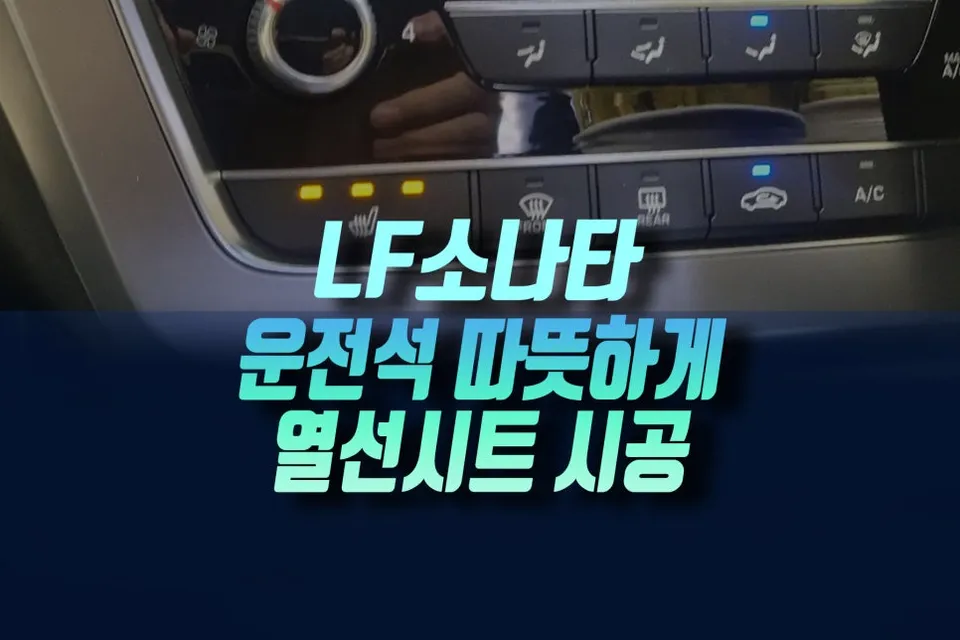
- Wiring and Control Integration: New wiring harnesses are run to connect the components to the vehicle's power source and control modules. This may involve integrating new buttons or switches into the dashboard or center console, or utilizing existing climate control interfaces if compatible.
- Reassembly and Testing: The seat covers are reinstalled, and the entire system is thoroughly tested to ensure all functions (heating levels, fan speeds) operate correctly and safely.
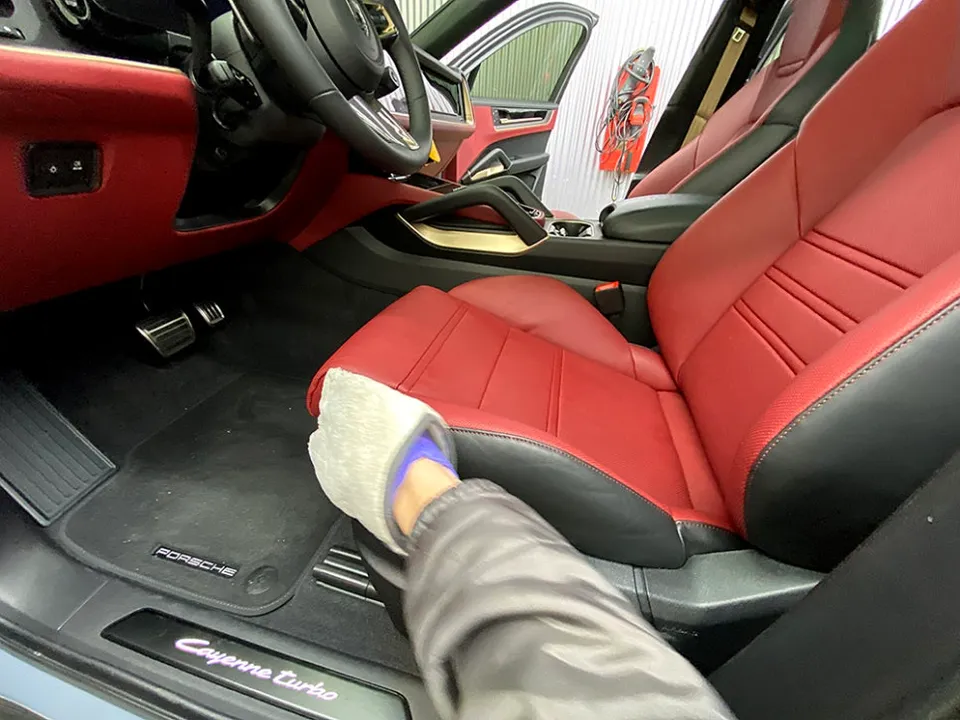
The original Korean context emphasized a multi-layer coating process for leather seats, involving thorough cleaning and repeated application with drying times in between to build durability. While this is a different service, the meticulous, multi-step approach highlights the importance of careful preparation and application for any automotive interior enhancement. For seat climate upgrades, professional installation is crucial to avoid damaging the vehicle's electronics or compromising the integrity of the seats. The cost for such a retrofit can vary significantly, often ranging from $400 to $1500 or more per seat, depending on the complexity of the system and the vehicle's specific requirements. Maintenance typically involves keeping the seat surfaces clean and ensuring the ventilation ports are free of debris.
Durability, Results, and Value Proposition
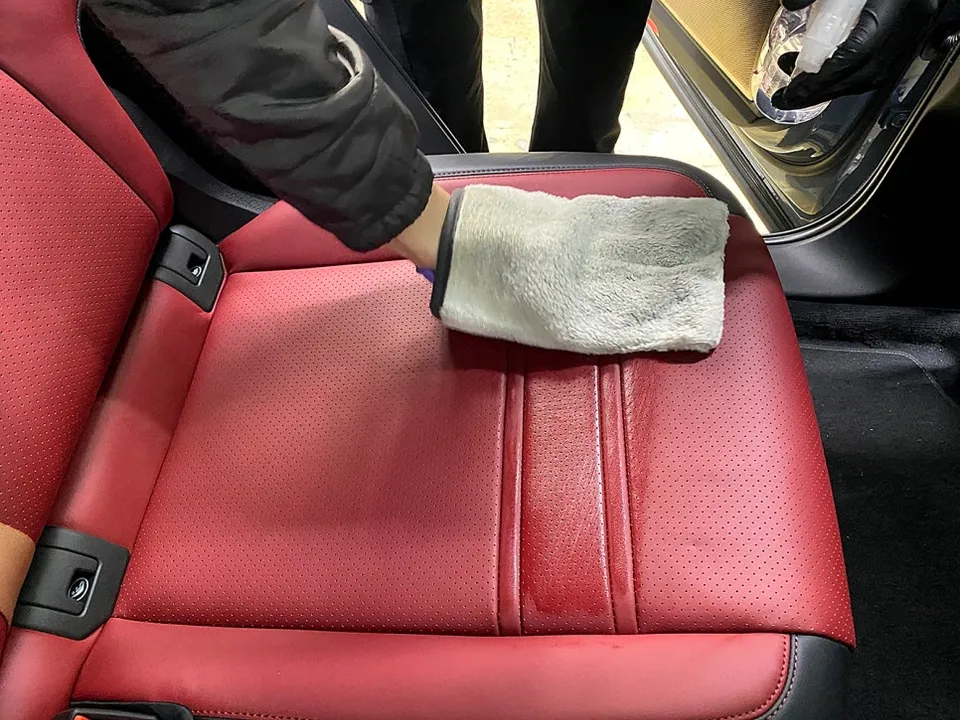
The durability of aftermarket seat ventilation and heating systems depends heavily on the quality of the components used and the professionalism of the installation. High-quality kits, when installed correctly, can last for many years, providing consistent comfort. The 'before and after' results are immediately noticeable: a significantly more comfortable driving experience in both hot and cold weather. For owners of a Porsche Cayenne, where comfort and luxury are expected, these upgrades can be considered a worthwhile investment, especially if the vehicle did not come with these features from the factory. While the initial cost might seem substantial, the enhanced comfort and potential increase in the vehicle's resale value can justify the expense for many owners. The decision ultimately hinges on how much value you place on year-round seating comfort.
Frequently Asked Questions
Q. How much does ventilated seat installation cost for a Porsche Cayenne?
The estimated cost for ventilated seat installation in a Porsche Cayenne typically ranges from $400 to $1500 or more per seat, depending on the system's complexity and installation specifics. In the US, expect prices to be in this general range for professional retrofits.
Q. How long does seat ventilation installation take on a Porsche Cayenne?
The durability of aftermarket seat climate systems depends on component quality and installation expertise, often lasting many years with proper care. Regular cleaning of seat surfaces and ensuring ventilation ports are clear of debris are key maintenance tips.
Q. Are aftermarket ventilated seats worth it for a Porsche Cayenne?
Aftermarket ventilated seats are most beneficial for Porsche Cayenne owners who frequently experience extreme weather or desire enhanced comfort and luxury. The value proposition lies in the significant improvement to the daily driving experience, justifying the investment for many.
Q. How are ventilated seats installed in a Porsche Cayenne?
Installation involves carefully disassembling the seat, integrating heating elements or ventilation fans, connecting new wiring to the vehicle's power and controls, and then reassembling and testing the system. This process requires specialized automotive expertise.
Q. What is the difference between OEM and aftermarket ventilated seats for a Porsche Cayenne?
OEM ventilated seats are factory-integrated systems designed specifically for the Cayenne, often offering seamless integration and potentially higher reliability. Aftermarket options provide a retrofit solution, which can be more cost-effective but may vary in integration quality and appearance.
OhCar Partner Shop