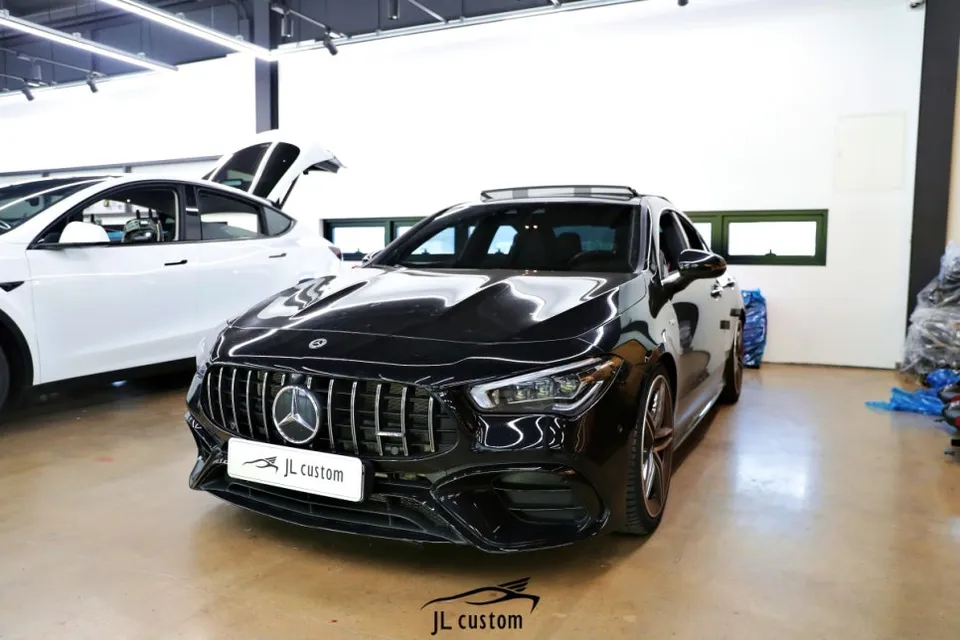
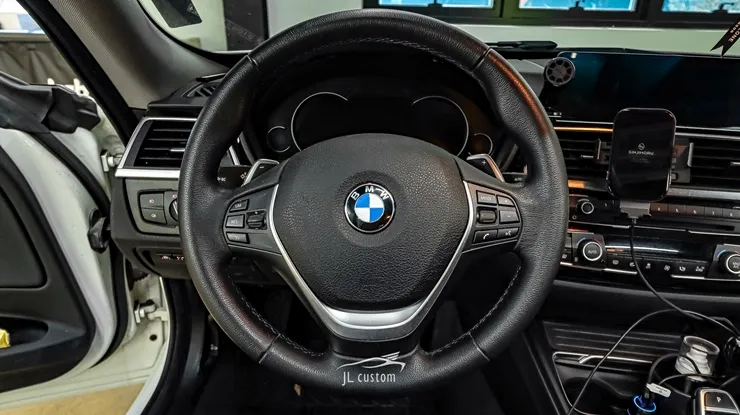
BMW BMW Ventilated Seats Review — Cost & Results
Service Price
$under $40
Estimated price · Actual price may vary by shop
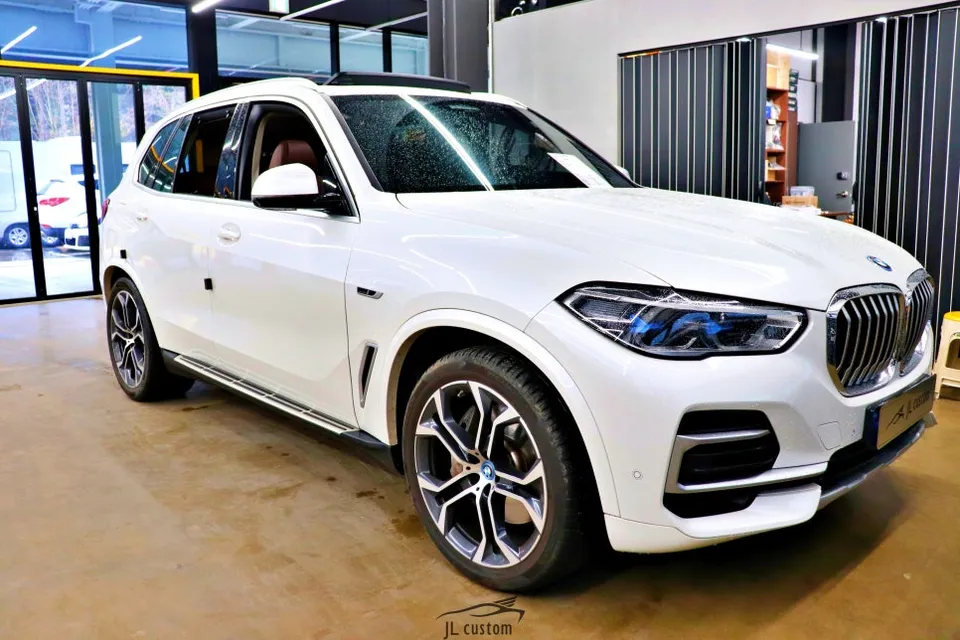
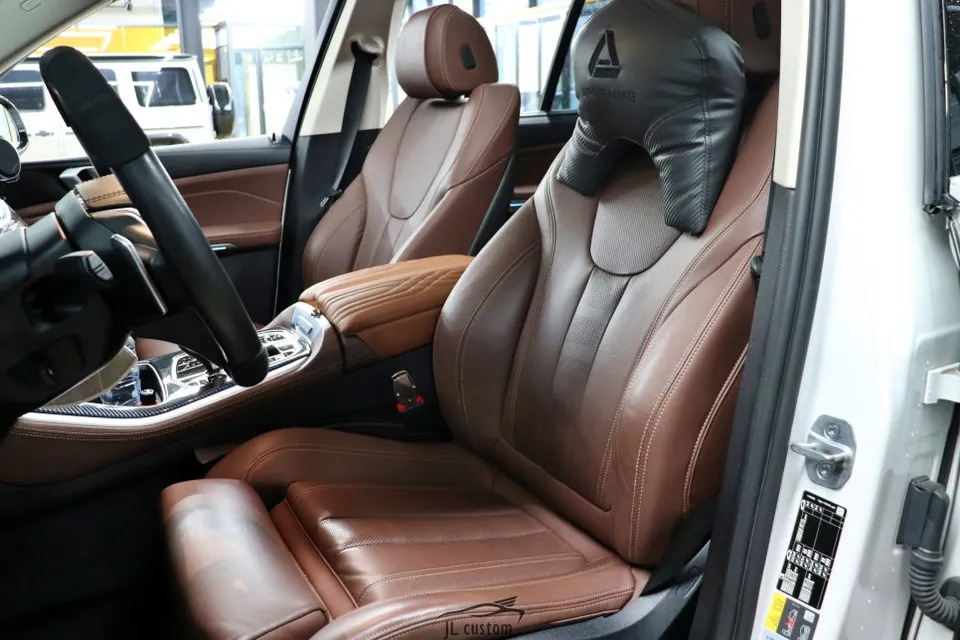
BMW BMW seat ventilation & heating retrofit: Starts around ₩300,000 (approx. $220 USD). Enjoy enhanced driving comfort.
BMW BMW Seat Climate Upgrade: Beat the Heat
BMW owners often face the summer heat with a common dilemma: the lack of factory-equipped ventilated seats. If you've been sweating through your drives, a high-quality, aftermarket seat ventilation and heating retrofit can be a game-changer. This review explores the process, benefits, and cost of adding this sought-after feature to your BMW BMW, ensuring a more comfortable driving experience year-round. The service typically starts around ₩300,000, offering a significant upgrade in comfort.
Understanding the Seat Ventilation & Heating Retrofit
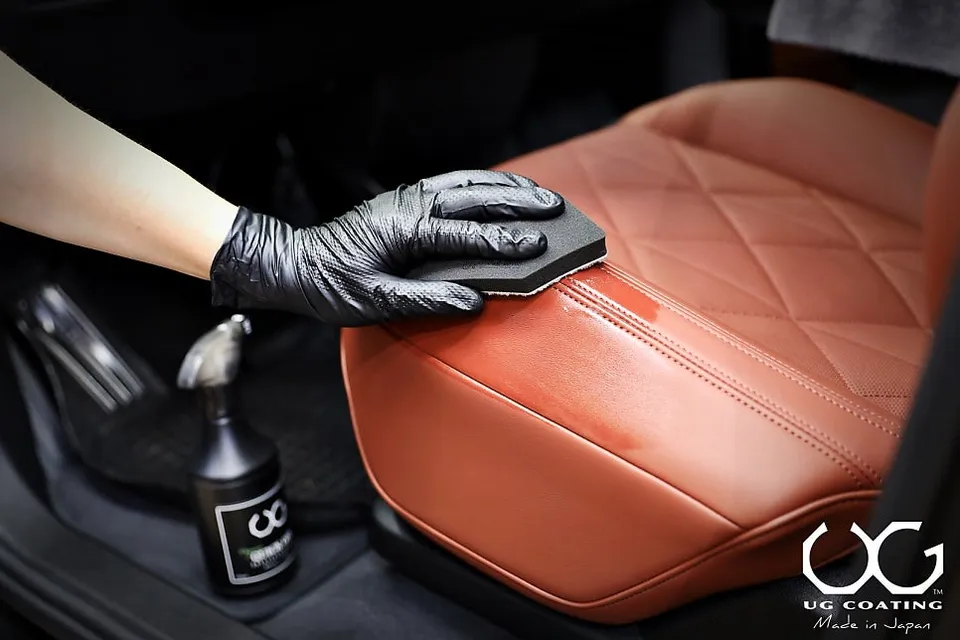
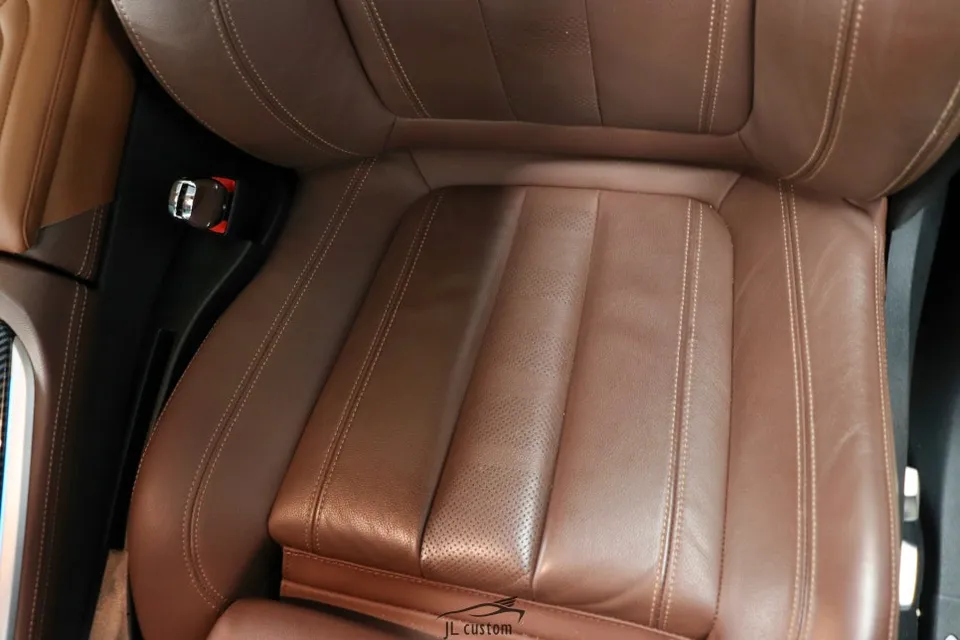
This isn't just about adding fans; it's about integrating a sophisticated climate control system into your existing seats. The process focuses on a 'genuine-type' installation, meaning it aims to look and function as closely as possible to factory options. The key is using the original BMW BMW seat leather, with precise perforations made to optimize airflow without compromising durability. A crucial part of the installation involves 'air ducting' to ensure cool air circulates effectively from the seat base up through the backrest, preventing blockages and maximizing the cooling effect. This method minimizes noise and vibration, providing a smooth and quiet operation.
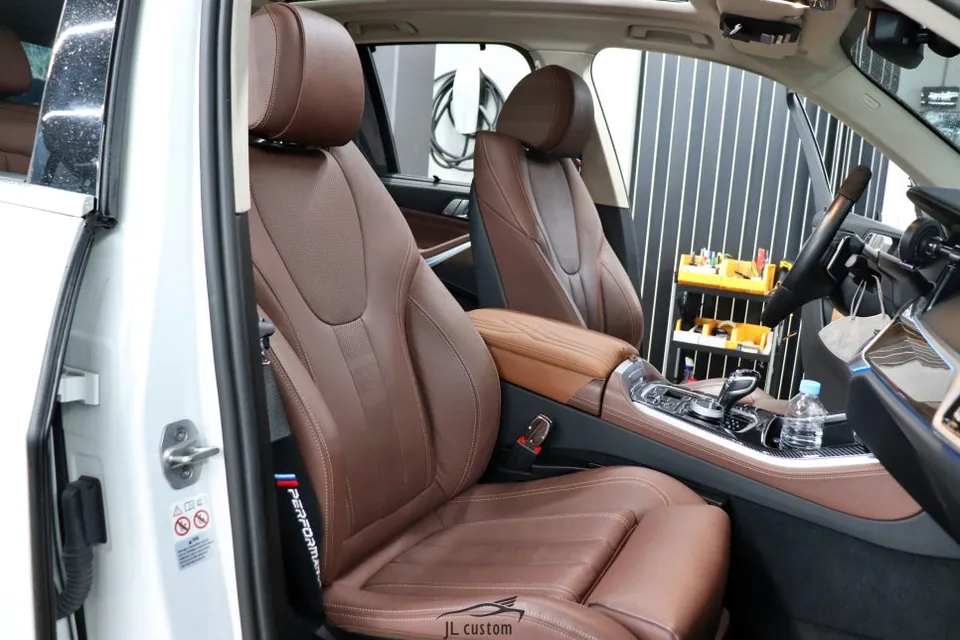
Installation Process & Features
The installation process for a BMW BMW seat ventilation and heating upgrade is meticulous and typically takes around 3 to 4 hours. Here’s a general breakdown:
- Seat Disassembly: The seat covers are carefully removed to access the internal structure.
- Cooler Integration: Optimized coolers are embedded within the seat, often using high-quality domestic components designed for quiet operation.
- Air Ducting Installation: Air ducts are strategically placed, particularly in the backrest, to ensure seamless air circulation.
- Reassembly & Testing: Seat covers are reinstalled, and the system is thoroughly tested, including the original heating functions, to ensure everything works perfectly.
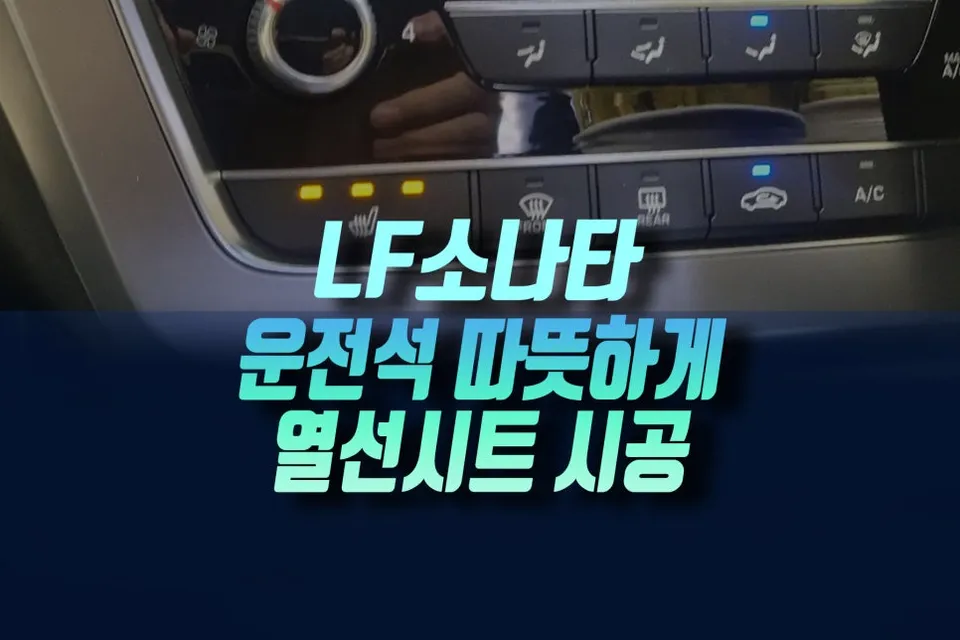
A significant advantage is the integration with your existing climate controls. Instead of adding new buttons, the system cleverly utilizes the original seat heating switches. You can adjust the ventilation through three levels (high, medium, low, off), and the setting persists after you turn the car off and on again. This seamless integration ensures ease of use and maintains the clean aesthetic of your BMW BMW's interior.
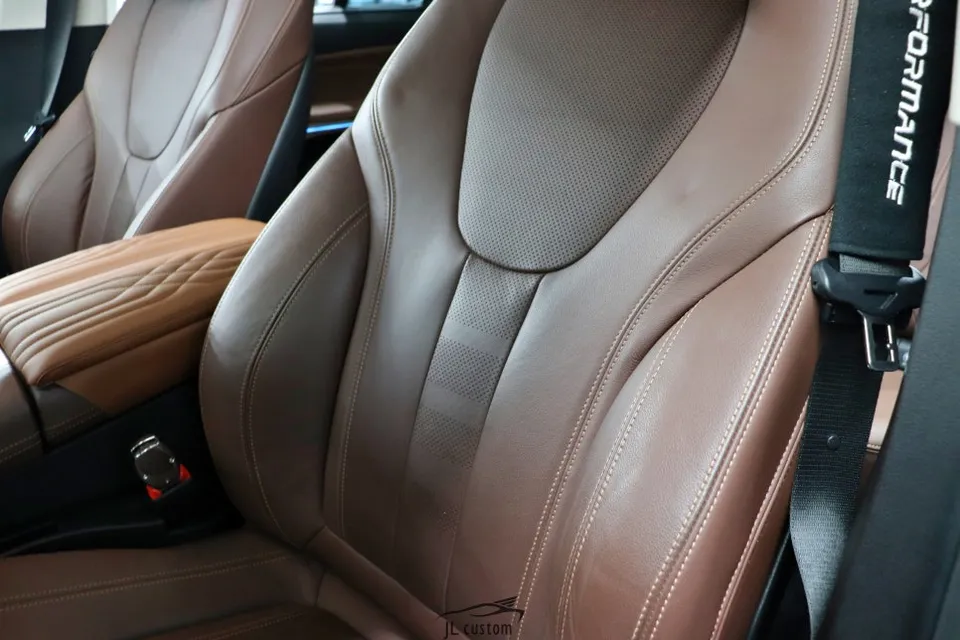
Durability, Cost, and Is It Worth It?
With proper installation and care, these aftermarket ventilated seats can last for 3 to 5 years or more. The cost typically starts around ₩300,000 (approximately $220 USD), though this can vary based on your specific BMW BMW model and any additional options chosen. Considering the significant improvement in driving comfort, especially during hot weather, many owners find this seat climate upgrade to be a worthwhile investment. It addresses a common OEM omission and enhances the overall ownership experience of your BMW BMW.
Frequently Asked Questions
Q. How much does ventilated seat installation cost for a BMW BMW?
In Korea, this service typically starts around ₩300,000 (approximately $220 USD). In the US, similar aftermarket installations can range from $300 to $1000 or more, depending on the vehicle and shop.
Q. How long does seat ventilation installation take on a BMW BMW?
The installation process for ventilated seats usually takes between 3 to 4 hours. Proper maintenance, such as keeping the seat upholstery clean, will help ensure its longevity.
Q. Are aftermarket ventilated seats worth it for a BMW BMW?
Yes, aftermarket ventilated seats are often worth it for BMW BMW owners seeking enhanced comfort during hot weather. They provide a significant improvement over standard seating, especially if your model didn't come with this feature from the factory.
Q. How are ventilated seats installed in a BMW BMW?
Installation involves carefully removing seat covers, embedding optimized coolers, installing air ducting for proper circulation, and then reassembling the seat. The system is then integrated with the original heating controls for easy operation.
Q. What is the difference between OEM and aftermarket ventilated seats for a BMW BMW?
OEM ventilated seats are factory-integrated and often come with a higher price tag, while aftermarket options provide a retrofit solution. Aftermarket installations like this one aim for a 'genuine-type' feel, utilizing original seat leather and integrating with existing controls for a seamless experience.
OhCar Partner Shop