Hyundai Elantra Dash Cam Installation Review
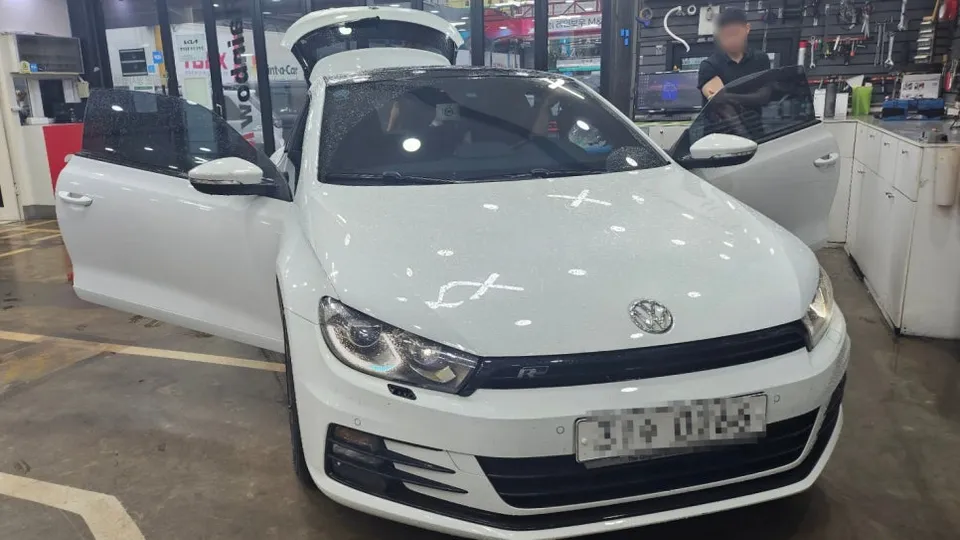
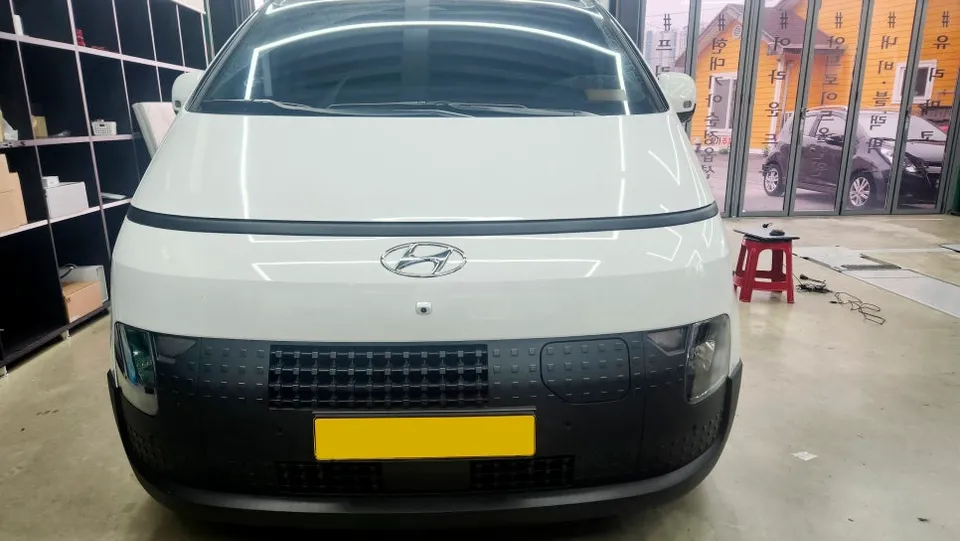
Before

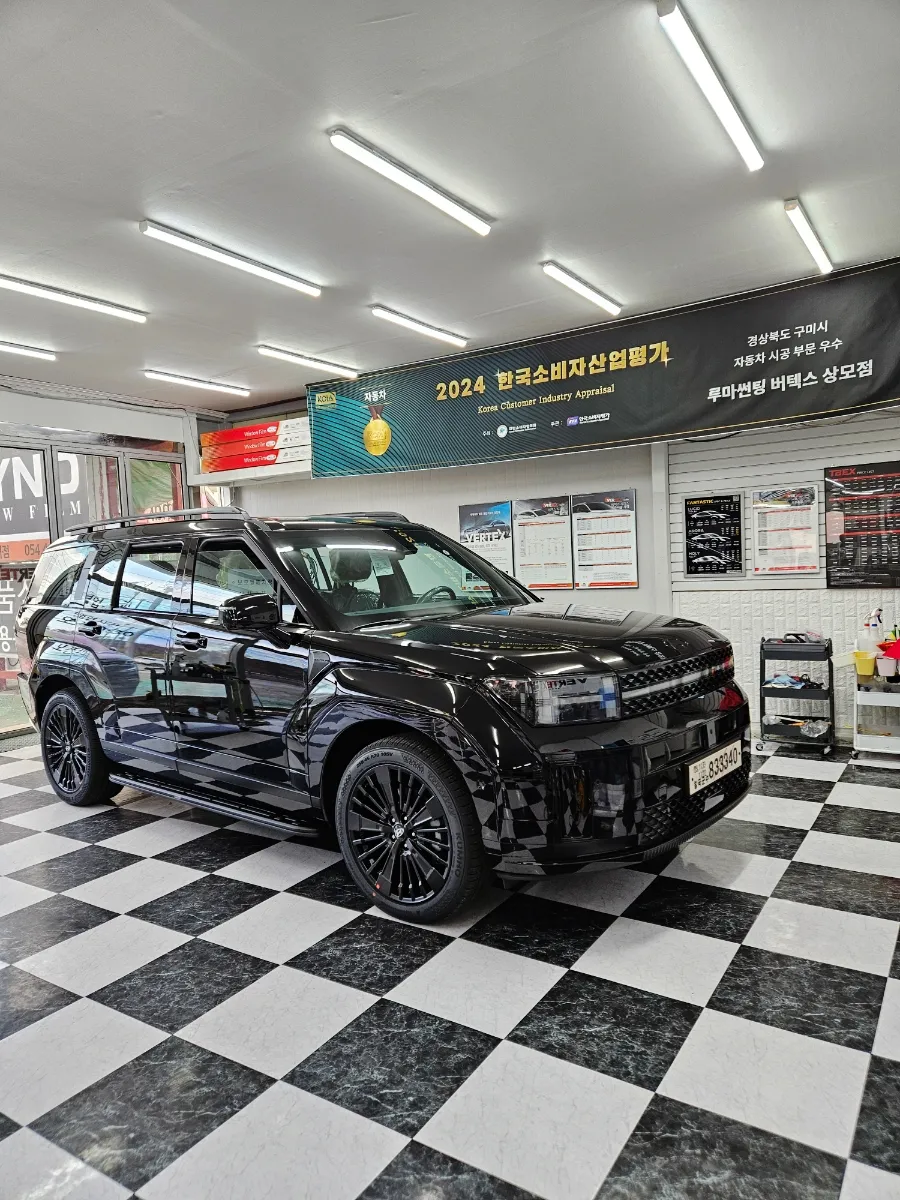
After

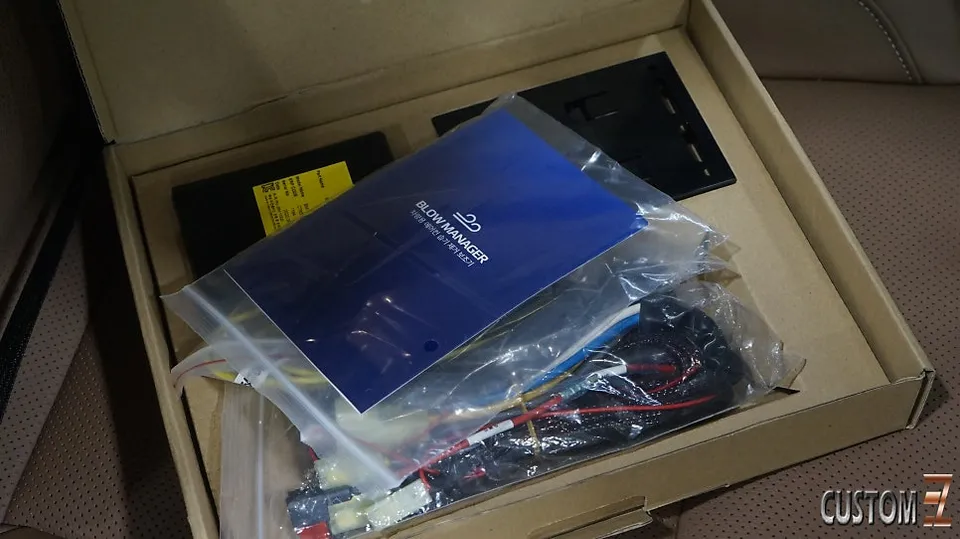
Process photos


Hyundai Elantra dash cam installation: TNR TA300 2-channel system. Professional installation ensures optimal performance and recording.
Professional Dash Cam Installation for Your Hyundai Elantra
This review focuses on the installation of the Hyundai TNR TA300, a cost-effective 2-channel dash cam system, on a Hyundai Elantra (referred to in Korea as the "The New Avante AD" or "Samguk-te"). The installation was performed by a professional detailing service in the Gijang, Ilgwang New Town, Jeonggwan New Town, and Songjeong areas of Busan, South Korea. This type of professional installation ensures the dash cam is optimally positioned and wired for reliable performance, providing peace of mind and crucial video evidence in case of an incident.
Key Features and Benefits
The TNR TA300 offers a compelling balance of features and affordability, making it a popular choice for drivers seeking essential dash cam functionality. As a 2-channel system, it records both the front and rear views of your vehicle, capturing a comprehensive perspective. This is particularly valuable for documenting parking incidents or rear-end collisions. The professional installation process ensures that the camera's field of view is unobstructed and that the wiring is neatly managed, avoiding any interference with the vehicle's electronics or aesthetics. The specific installation detailed here was performed by a specialist in the Busan region, highlighting the availability of expert services for popular models like the Hyundai Elantra.
Installation Process:
- Camera Placement: The front and rear cameras are carefully positioned on the windshield and rear window, respectively, ensuring a clear and wide field of view without obstructing the driver's vision.
- Wiring Management: Power and connection cables are discreetly routed through the vehicle's interior trim panels to maintain a clean look and prevent dangling wires.
- Power Connection: The dash cam is typically hardwired to the vehicle's fuse box for continuous power, allowing for parking mode recording, or connected to an accessory power outlet.
- Testing and Configuration: After installation, the system is tested to ensure both channels are recording correctly, and initial settings are configured according to the owner's preferences.
Choosing a professional installation for your Hyundai Elantra's dash cam not only guarantees a seamless setup but also maximizes the device's effectiveness. Services in areas like Gijang and Jeonggwan New Town specialize in these installations, offering expertise that ensures your dash cam is ready to protect you on the road.
Frequently Asked Questions
Q. How much does dash cam installation cost for a Hyundai Elantra?
The specific cost for this installation in Korean Won was not detailed, but professional dash cam installation in the US typically ranges from $100 to $300 depending on the complexity and the specific dash cam model.
Q. How long does dash cam installation take on a Hyundai Elantra?
Professional dash cam installation usually takes between 1 to 3 hours, ensuring all wiring is neatly managed and the system is fully functional. Regular checks of the camera lens and recording quality are recommended for optimal longevity.
Q. Is a hardwired dash cam worth it over a self-install for a Hyundai Elantra?
A hardwired dash cam is worth it for Hyundai Elantra owners who want continuous recording, including parking mode, and a cleaner, more integrated look. Professional installation ensures proper connection to the vehicle's electrical system, which can be complex for DIYers.
Q. How is a dash cam professionally installed on a Hyundai Elantra?
1. The technician carefully mounts the front and rear cameras in optimal positions on the windshield and rear window. 2. Power and data cables are discreetly routed through the car's interior trim for a clean finish. 3. The system is hardwired to the vehicle's fuse box for continuous power or connected to an accessory outlet. 4. The installation is completed with a thorough test of both camera feeds and system functionality.
Q. What is the difference between a 1-channel and 2-channel dash cam for a Hyundai Elantra?
A 1-channel dash cam records only the front view, while a 2-channel dash cam records both the front and rear views. For comprehensive coverage and protection against rear-end collisions, a 2-channel system is highly recommended.
OhCar Partner Shop